Fluentica Marketing Agency

Startup Marketing

business owner working on seo

Why SEO Is Important for Small Businesses

Why SEO Is Important for Small Businesses June 18, 2026 Summary: SEO helps small businesses become visible when potential customers are actively searching for solutions. Unlike ads, visibility doesn’t disappear when your budget runs out (hence why SEO is our favorite marketing tactic for growth). A strong SEO strategy can help attract qualified traffic, build trust, and generate opportunities long after a page is published. Many small business owners spend years perfecting their service. They invest in their team, improve their customer experience, build a website, and then they wait. The problem with this  is that having a website doesn’t automatically make your business visible online. In fact, one of the biggest misconceptions among small business owners is that customers will somehow find them simply because their website exists. Unfortunately, not a lot of people know this. And even worse, many SEO marketing agencies aren’t 100% transparent about this. The reality is that millions of websites are competing for attention every day. If search engines don’t understand who you help, what you offer, and why your business is relevant, your ideal customers may never find you. If your ideal customer searches for a service you provide and your business doesn’t appear, you’re essentially invisible at the exact moment they’re ready to take action. That’s where SEO comes in. Search engine optimization helps your business appear when people are actively looking for what you offer. And for small businesses, that matters more than ever. Your Customers Are Already Searching Think about your own buying habits. When you need a contractor, accountant, lawyer, therapist, or marketing agency, what do you do? You search. Sometimes it’s Google, sometimes it’s Google Maps. Increasingly, it might even be an AI-powered search experience. But the behavior remains the same. People look for answers before they look for businesses. SEO helps position your business where those searches happen, not after the fact or through interruption, right when someone is looking. According to Google’s consumer insights research, people increasingly expect immediate answers when they have a need, question, or problem. Those moments create opportunities for businesses that are visible. SEO Builds Trust Before the First Conversation One of the biggest misconceptions about SEO is that it’s only about rankings, but it isn’t. Good SEO helps establish credibility. Imagine you’re looking for an ABA therapy provider. You go to Google and start your search. One website has: helpful resources clear service pages answers to common questions client reviews Another has: a homepage a contact form little information Which one feels more trustworthy? Most people make that decision within seconds. That’s why SEO is about more than traffic. It’s about helping potential customers feel confident enough to reach out. SEO Works While You’re Working One reason many small businesses rely heavily on referrals is because referrals feel predictable. And they can be, but referrals also have limits. SEO helps create another source of opportunities. A blog written today can generate traffic months from now. A service page can continue attracting qualified visitors long after it’s published. A properly optimized Google Business Profile can help your business appear in local searches every day. Unlike advertising, visibility doesn’t disappear the moment your campaign ends. That doesn’t mean SEO replaces paid advertising. In many cases, they work best together, but SEO creates a foundation that continues working over time. Local SEO Matters Even More for Service Businesses If your customers are tied to a specific geographic area, local SEO becomes even more important. Applying the same example as above, when someone searches: ABA therapy near me Accountant in Queens Business attorney in Atlanta Google prioritizes local relevance. That means your Google Business Profile, local content, reviews, and service area pages all influence whether your business appears. We’ve seen firsthand how important this can be. For example, Blue Care Behavior Therapy, an ABA therapy agency in Florida, experienced a noticeable increase in local search visibility within just a few months of launching their new website and SEO foundation. The goal of the initial SEO strategy we built for Blue Care wasn’t simply more traffic. It was helping the right families find them when they needed support. SEO Helps Small Businesses Compete Against Bigger Brands Many small business owners assume they can’t compete online because larger companies have bigger budgets. That’s not always true. Large organizations often move more slowly. They create content for broad audiences and for many geographic areas. Small businesses have an advantage. You understand your customers closely, you know their questions, you hear their concerns every day, and you’re local! And those insights can become the content, service pages, and resources that help your business stand out in search results. SEO Is Changing, But It’s Not Going Away The way people search is evolving. AI Overviews are changing how information appears, and search results are becoming more dynamic. However, one thing remains constant: People still need trustworthy sources. In fact, many AI-generated answers pull information from websites that have demonstrated expertise and credibility. That means businesses that continue publishing helpful, experience-driven content are still creating opportunities for visibility. Remember, the goal isn’t to write for algorithms; it’s to answer real questions from real people. Google’s own guidance around creating helpful content continues to reinforce this approach.  What SEO Really Gives Small Businesses At its core, SEO isn’t about rankings. It’s about helping the right people find your business when they’re actively looking for what you offer And at Fluentica, we’re transparent about this. Ranking #1 for a keyword doesn’t automatically mean your phone will start ringing. SEO isn’t magic. It’s a long-term strategy that helps your business become more discoverable, credible, and accessible over time. Because even the best service in the world can’t generate opportunities if nobody knows it exists. The businesses that benefit most from SEO aren’t necessarily the ones that move the fastest. They’re the ones that consistently invest in being found. SEO doesn’t have to be complicated. It starts with understanding what your customers are searching

Why SEO Is Important for Small Businesses Read More »

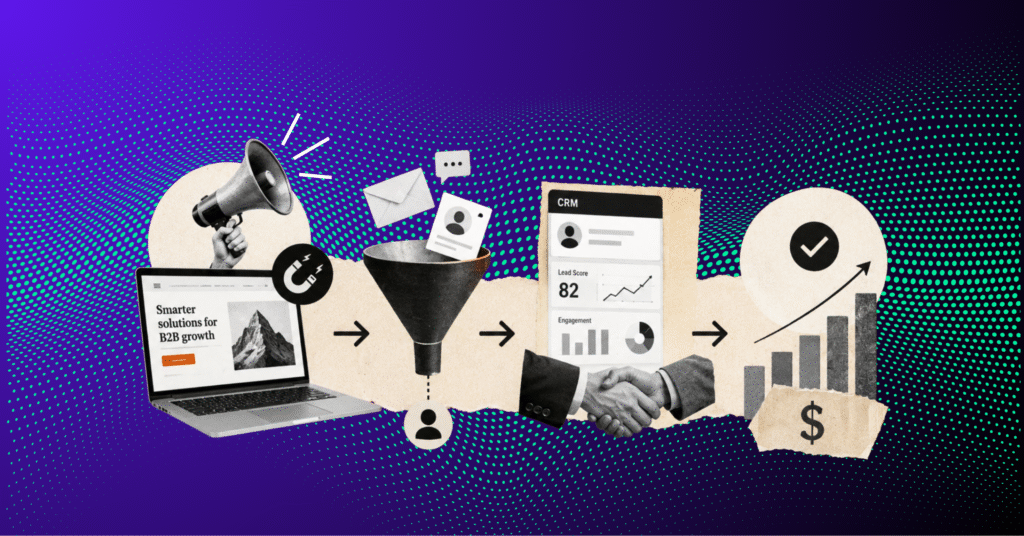
b2b pipeline strategy illustration

Pipeline Focused Ad Strategies for B2B Companies That Need More Than Clicks

Pipeline Focused Ad Strategies for B2B Companies That Need More Than Clicks May 21, 2026 Summary: Many B2B companies think ad performance is about impressions, clicks, or traffic. But pipeline-focused ad strategies work differently. The goal is not just visibility. It is creating momentum that helps the right buyers move closer to a decision. That means your ads, landing pages, content, and follow-up all need to work together. A lot of B2B campaigns look good on paper: high impressions, cheap clicks, and decent engagement. But then sales asks the uncomfortable question: “Why isn’t this turning into pipeline?” That is usually where the disconnect starts. Because pipeline-focused ad strategies are not just about getting attention. They are about guiding the buyer journey before a sales conversation even happens. And today, that matters more than ever. According to research from Gartner, B2B buyers spend most of their buying journey researching independently before ever talking to a vendor. So if your ads are only optimized for clicks, you are missing the bigger opportunity. Pipeline Focused Ad Strategies Start Before the Ad Itself This is where many B2B companies overcomplicate things. They jump straight into campaign setup: Audience targeting Bidding Creative Budget allocation Those things matter, but pipeline performance usually breaks much earlier. It breaks in positioning. If your message is unclear, your ads will struggle no matter how optimized they are. Especially in B2B, where buyers are constantly comparing tools, services, and vendors that sound almost identical. Your audience needs to understand: What you solve Who you solve it for Why is your approach different Fast.  Because when someone clicks your ad, they are not just evaluating your offer. They are evaluating whether your company feels credible enough to keep exploring. Why Content Plays a Bigger Role Than Most Paid Campaigns Admit One of the biggest mistakes we see is treating paid ads and content as separate initiatives, when in reality, they are not. Your ads create the initial motion, and your content helps remove doubt. Think about how B2B buyers behave today. Someone sees a LinkedIn ad. Maybe they click, maybe they do not, but many will: Google your company Visit your website later Read a blog Check your LinkedIn Compare your brand or business against competitors That is why pipeline-focused ad strategies need supporting content around them. Not random blogs for SEO purposes. Content tied directly to buyer questions and intent. For example: Implementation concerns ROI questions Pricing hesitation Workflow integration Operational inefficiencies The stronger the content ecosystem around your campaigns, the easier it becomes for buyers to continue the journey themselves. This is also why Google continues prioritizing useful, experience-driven content in search results, especially after recent updates around helpful content and AI-generated spam. Google’s guidance around helpful content reinforces the importance of creating content for people first, not just algorithms. The Best Performing B2B Ads Usually Feel the Least “Ad-Like” This is something we saw firsthand while working on CodePath’s Emerging Engineers Summit campaign. The campaigns that performed best were not the ones aggressively pushing the event itself. They were the ones addressing the audience’s hiring frustrations directly. Instead of talking about event logistics, the messaging focused on precision hiring, pre-vetted talent, and reducing hiring friction for recruiters. That shift changed everything: Landing page engagement improved Outreach performed better Trust increased before conversations even started The important part here is not the platform; it is the alignment. The ads, content, landing pages, and nurture strategy were all reinforcing the same story. That is what creates pipeline momentum. Pipeline Focused Ad Strategies Need Retargeting More Than More Traffic A lot of B2B brands assume they need more reach. But sometimes they just need more follow-through. Retargeting is one of the most underused pieces in B2B marketing because companies often stop after the first touchpoint. But most buyers are not converting immediately, especially with longer sales cycles. Someone might: Visit your pricing page Read two blogs Leave Come back through organic search three weeks later Finally book a demo after seeing a retargeting ad That is still one journey. And it is one of the reasons we keep saying that B2B marketing works more like a system than a series of isolated tactics. What B2B Companies Should Actually Focus On If your goal is pipeline, your paid strategy should prioritize: High intent traffic over broad awareness Positioning clarity over clever copy Content alignment over campaign volume Retargeting over constantly chasing new traffic Trust signals over feature dumping And most importantly: measure quality, not just activity. Because clicks alone do not mean much if the buyer still leaves unsure about you. Pipeline Is Built Through Momentum, Not Just Ads The best pipeline-focused ad strategies do not rely on ads alone; they rely on consistency between: Ads Messaging Content Landing pages Outbound Nurture Positioning That is what makes buyers feel confident enough to move forward. And honestly, that is the part many B2B companies skip. They launch campaigns before the trust layer exists. Need help figuring out how your paid strategy fits into the bigger pipeline picture? Reach out Keeping it Fluent with this Quick Q&A What are pipeline focused ad strategies? Pipeline focused ad strategies are campaigns designed to move buyers closer to revenue, not just generate clicks or impressions. They focus on trust, intent, nurturing, and conversion quality. What platforms work best for B2B pipeline generation? It depends on the audience, but Google Search, LinkedIn Ads, and retargeting campaigns are usually strong channels for B2B pipeline generation when paired with supporting content. Why are my B2B ads getting clicks but no leads? This usually points to a trust or positioning issue. Buyers may be interested enough to click, but not convinced enough to continue the journey. How does content support B2B paid ads? Content helps answer buyer questions, reduce hesitation, and reinforce credibility after someone engages with an ad. Related Posts B2B marketing Brand Strategy Content Strategy Digital Marketing Marketing Strategy News SEO Strategy SMB Marketing Pipeline Focused Ad Strategies

Pipeline Focused Ad Strategies for B2B Companies That Need More Than Clicks Read More »

marketing metrics

Key Metrics to Optimize Your Marketing Budget

Key Metrics to Optimize Your Marketing Budget February 15, 2025 B2B marketing Marketing budgets rarely stay the same throughout the year. Whether it’s due to changing priorities, unexpected trends, or tighter financial constraints, adjustments are inevitable. Mid-February-March offers the perfect checkpoint: you’ve had time to implement initial strategies, and now you can assess what’s working and what needs refinement. For startups in early stages—pre-seed or seed—budgets are often stretched thin, so every dollar must be accounted for. As a Marketing Director of a startup, this is your chance to prove your strategic value by focusing on important metrics in your marketing budget that deliver real ROI, as we have done for ABA Matrix (all organically!). Why Reviewing Marketing Metrics Mid-Q1 Matters Early-year adjustments can have a significant impact. By making changes now, you can set your marketing strategy on a path to greater efficiency and ROI before the year gains momentum. For startups, particularly those at the pre-seed or seed stage, the stakes are even higher. With limited budgets and a high demand for ROI, every dollar must deliver results. In these unpredictable market conditions, strategies like rolling budgets designed for flexibility are highly recommended. That’s why the key to optimizing your budget lies in tracking clear, actionable marketing metrics. These metrics will not only guide your allocation decisions but also ensure you’re maximizing the value of every investment. What Metrics Should You Use to Allocate Your Marketing Budget? Budget allocation is not just about moving money to the cheapest channel. It is about understanding which channels are creating trust, demand, and qualified opportunities To maximize the impact of your budget, align your metrics with each stage of the marketing funnel. Awareness Stage: Attracting Prospects Metrics at this stage are about building visibility and sparking initial interest in your brand. Without awareness, your other marketing efforts won’t get the attention they need. Website Traffic: Track total visits, traffic sources (e.g., organic, paid, social), and your top-performing pages. These numbers tell you if your brand is reaching its audience and where new visitors are coming from. A spike in organic traffic, for example, could signal that your SEO efforts are paying off. Social Media Reach and Impressions: Measure how far your content travels and how often it’s seen. Platforms like LinkedIn or Instagram provide detailed insights into reach and impressions, helping you identify the types of content that resonate most with your audience. Ad Impressions and CTR (Click-Through Rate): These metrics show how effective your paid ads are at grabbing attention. A high CTR indicates that your messaging and creative are connecting with your audience. If CTR is low, it might be time to tweak your copy or visuals. Consideration Stage: Engaging and Educating At this stage, your goal is to nurture interest and turn prospects into engaged leads. This is where your content and campaigns need to educate, build trust, and showcase value. Website Engagement Metrics: Metrics like bounce rates, session duration, and pages per session reveal how users interact with your site. A high bounce rate may signal that visitors aren’t finding what they’re looking for, while longer session durations indicate that your content is engaging. Lead Magnet Performance: Evaluate how well resources like eBooks, webinars, and newsletters convert visitors into leads. For instance, if a free guide isn’t generating downloads, consider revising its content or the way it’s promoted. Marketing-Qualified Leads (MQLs): These are leads that meet your Ideal Customer Profile (ICP) and are ready for deeper engagement. Monitoring the volume and quality of MQLs can help you refine targeting strategies and improve lead-generation campaigns. Decision Stage: Converting Prospects into Customers This is where your hard work pays off. Metrics at this stage show how effectively your marketing efforts drive conversions and ROI (these metrics are often your CEO’s favorite ones 😉). Customer Acquisition Cost (CAC): This metric tells you how much you’re spending to acquire a new customer. If your CAC is too high, it may be time to reassess underperforming channels or campaigns. For example, shifting the budget from paid ads with low ROI to organic content could lower CAC while maintaining results. Conversion Rates by Channel: Track how many leads turn into paying customers across different channels, such as email, paid ads, and social media. High-performing channels indicate where to focus your efforts, while low-performing ones may need optimization or reduced spending. Return on Ad Spend (ROAS): This measures how much revenue your paid campaigns generate for every dollar spent. A low ROAS suggests that your targeting or messaging isn’t resonating, while a high ROAS signals efficiency and success. Refining Your Marketing Budget with Metrics Marketing budgets are dynamic tools that should adapt to both internal and external factors. Use these metrics to ensure your budget is always working for you: Double Down on Top-Performing Channels Allocate more resources to the platforms and strategies that consistently deliver high ROI. For example, if LinkedIn ads are driving the majority of your MQLs, increase your spend on that platform to capitalize on its success. Eliminate Inefficiencies Identify campaigns or channels that aren’t performing and redirect that budget to areas with higher potential. For instance, pause underperforming paid ads and reallocate those funds to email marketing, which might yield better engagement. Experiment Strategically Explore new, low-risk channels to diversify your reach. Testing a small-budget TikTok campaign, for instance, could uncover untapped opportunities without draining your resources. How to Keep Track of These Metrics To effectively monitor your metrics, use the right tools at each stage of the funnel: Awareness Stage: Google Analytics, Semrush, and social media insights. Consideration Stage: HubSpot, Mailchimp, and landing page analytics. Decision Stage: CRM systems, Google Ads, and LinkedIn Ads dashboards. Always Keep a Pulse on Your Budget Your marketing budget should evolve alongside your business. By regularly evaluating and optimizing key metrics, you’ll ensure your efforts are efficient and impactful. Keeping it Fluent with this Quick Q&A What metrics should I use to allocate my marketing budget? Start with CAC, ROAS, conversion

Key Metrics to Optimize Your Marketing Budget Read More »

startup small businesses marketing agency

Fluentica: Empowering Startups and Small Businesses with Strategy and Culture

In today’s multicultural world, connecting with the Hispanic market is not just an option but a necessity for brands that want to stay relevant and competitive in the U.S. With over 60 million Hispanics in the country, brands need to understand that this is not a monolithic group. Intercultural marketing helps you engage this audience in a way that resonates with their diverse cultural backgrounds, languages, and values.

Fluentica: Empowering Startups and Small Businesses with Strategy and Culture Read More »

Scroll to Top