
Pipeline Focused Ad Strategies for B2B Companies That Need More Than Clicks
Summary:
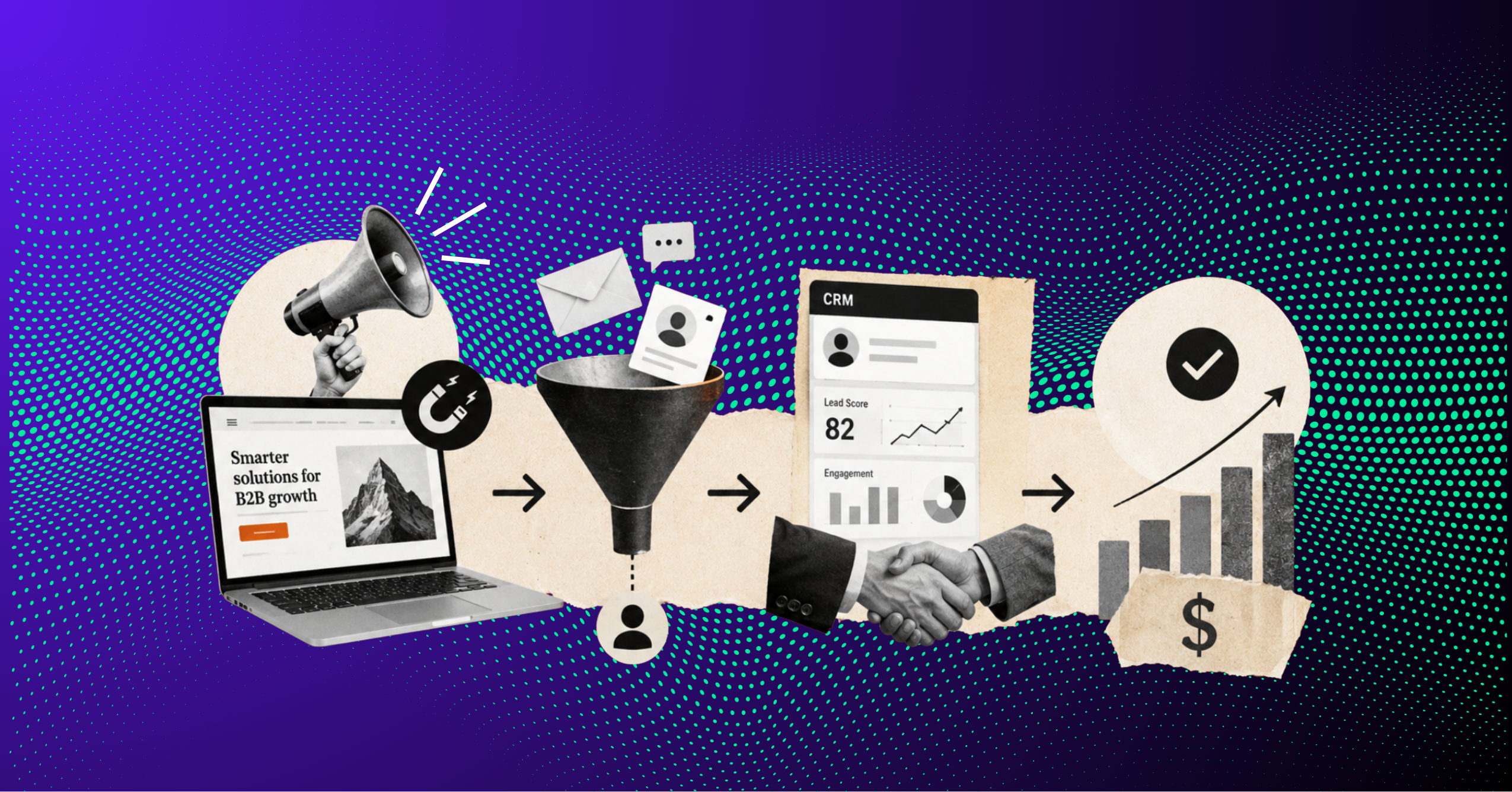
Many B2B companies think ad performance is about impressions, clicks, or traffic. But pipeline-focused ad strategies work differently. The goal is not just visibility. It is creating momentum that helps the right buyers move closer to a decision. That means your ads, landing pages, content, and follow-up all need to work together.
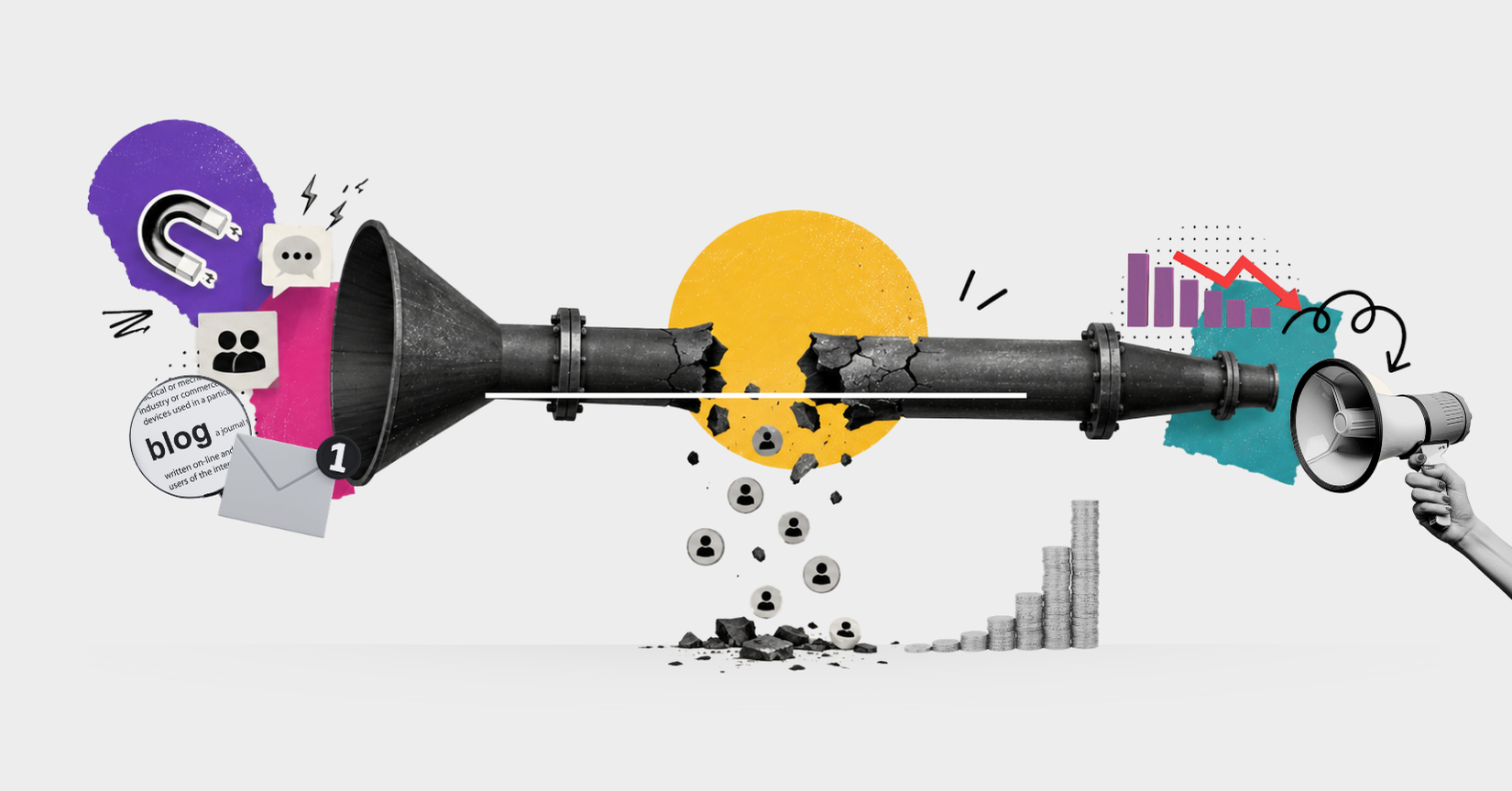
A lot of B2B campaigns look good on paper: high impressions, cheap clicks, and decent engagement. But then sales asks the uncomfortable question: “Why isn’t this turning into pipeline?”
That is usually where the disconnect starts.
Because pipeline-focused ad strategies are not just about getting attention. They are about guiding the buyer journey before a sales conversation even happens.
And today, that matters more than ever.
According to research from Gartner, B2B buyers spend most of their buying journey researching independently before ever talking to a vendor. So if your ads are only optimized for clicks, you are missing the bigger opportunity.
Pipeline Focused Ad Strategies Start Before the Ad Itself
This is where many B2B companies overcomplicate things. They jump straight into campaign setup:
- Audience targeting
- Bidding
- Creative
- Budget allocation
Those things matter, but pipeline performance usually breaks much earlier.
It breaks in positioning.
If your message is unclear, your ads will struggle no matter how optimized they are. Especially in B2B, where buyers are constantly comparing tools, services, and vendors that sound almost identical. Your audience needs to understand:
- What you solve
- Who you solve it for
- Why is your approach different
Fast.
Because when someone clicks your ad, they are not just evaluating your offer. They are evaluating whether your company feels credible enough to keep exploring.
Why Content Plays a Bigger Role Than Most Paid Campaigns Admit
One of the biggest mistakes we see is treating paid ads and content as separate initiatives, when in reality, they are not. Your ads create the initial motion, and your content helps remove doubt.
Think about how B2B buyers behave today. Someone sees a LinkedIn ad. Maybe they click, maybe they do not, but many will:
- Google your company
- Visit your website later
- Read a blog
- Check your LinkedIn
- Compare your brand or business against competitors
That is why pipeline-focused ad strategies need supporting content around them. Not random blogs for SEO purposes. Content tied directly to buyer questions and intent. For example:
- Implementation concerns
- ROI questions
- Pricing hesitation
- Workflow integration
- Operational inefficiencies
The stronger the content ecosystem around your campaigns, the easier it becomes for buyers to continue the journey themselves.
This is also why Google continues prioritizing useful, experience-driven content in search results, especially after recent updates around helpful content and AI-generated spam. Google’s guidance around helpful content reinforces the importance of creating content for people first, not just algorithms.
The Best Performing B2B Ads Usually Feel the Least “Ad-Like”
This is something we saw firsthand while working on CodePath’s Emerging Engineers Summit campaign.
The campaigns that performed best were not the ones aggressively pushing the event itself. They were the ones addressing the audience’s hiring frustrations directly.
Instead of talking about event logistics, the messaging focused on precision hiring, pre-vetted talent, and reducing hiring friction for recruiters.
That shift changed everything:
- Landing page engagement improved
- Outreach performed better
- Trust increased before conversations even started
The important part here is not the platform; it is the alignment. The ads, content, landing pages, and nurture strategy were all reinforcing the same story. That is what creates pipeline momentum.
Pipeline Focused Ad Strategies Need Retargeting More Than More Traffic
A lot of B2B brands assume they need more reach. But sometimes they just need more follow-through.
Retargeting is one of the most underused pieces in B2B marketing because companies often stop after the first touchpoint. But most buyers are not converting immediately, especially with longer sales cycles. Someone might:
- Visit your pricing page
- Read two blogs
- Leave
- Come back through organic search three weeks later
- Finally book a demo after seeing a retargeting ad
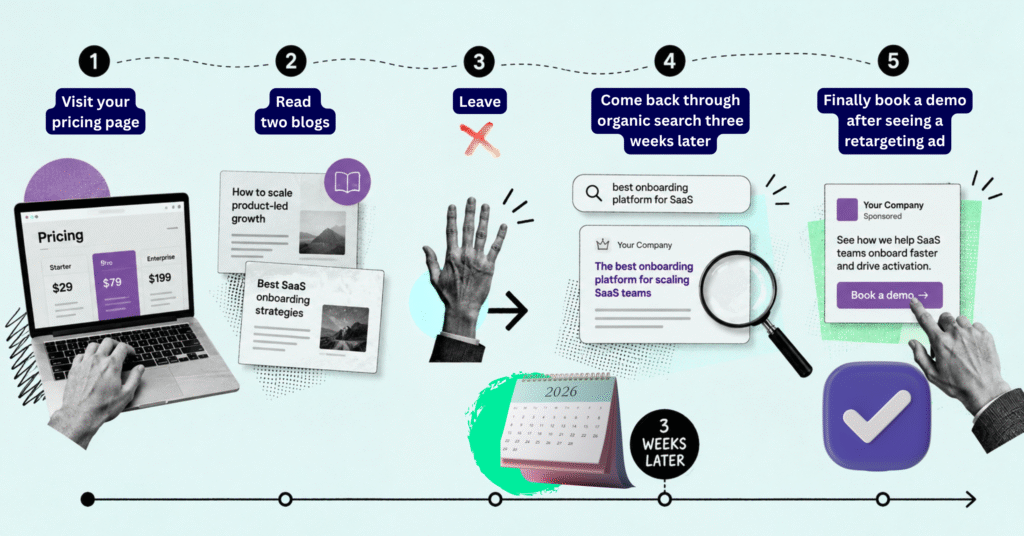
That is still one journey. And it is one of the reasons we keep saying that B2B marketing works more like a system than a series of isolated tactics.
What B2B Companies Should Actually Focus On
If your goal is pipeline, your paid strategy should prioritize:
- High intent traffic over broad awareness
- Positioning clarity over clever copy
- Content alignment over campaign volume
- Retargeting over constantly chasing new traffic
- Trust signals over feature dumping
And most importantly: measure quality, not just activity. Because clicks alone do not mean much if the buyer still leaves unsure about you.
Pipeline Is Built Through Momentum, Not Just Ads
The best pipeline-focused ad strategies do not rely on ads alone; they rely on consistency between:
- Ads
- Messaging
- Content
- Landing pages
- Outbound
- Nurture
- Positioning
That is what makes buyers feel confident enough to move forward. And honestly, that is the part many B2B companies skip. They launch campaigns before the trust layer exists.
Need help figuring out how your paid strategy fits into the bigger pipeline picture?
Keeping it Fluent with this
Quick Q&A
Pipeline focused ad strategies are campaigns designed to move buyers closer to revenue, not just generate clicks or impressions. They focus on trust, intent, nurturing, and conversion quality.
It depends on the audience, but Google Search, LinkedIn Ads, and retargeting campaigns are usually strong channels for B2B pipeline generation when paired with supporting content.
This usually points to a trust or positioning issue. Buyers may be interested enough to click, but not convinced enough to continue the journey.
Content helps answer buyer questions, reduce hesitation, and reinforce credibility after someone engages with an ad.
Related Posts
- B2B marketing
- Brand Strategy
- Content Strategy
- Digital Marketing
- Marketing Strategy
- News
- SEO Strategy
- SMB Marketing
- Back
- AI Optimization