

Fluentica Marketing Agency

B2B marketing

b2b pipeline strategy illustration

Pipeline Focused Ad Strategies for B2B Companies That Need More Than Clicks

Pipeline Focused Ad Strategies for B2B Companies That Need More Than Clicks May 21, 2026 Summary: Many B2B companies think ad performance is about impressions, clicks, or traffic. But pipeline-focused ad strategies work differently. The goal is not just visibility. It is creating momentum that helps the right buyers move closer to a decision. That means your ads, landing pages, content, and follow-up all need to work together. A lot of B2B campaigns look good on paper: high impressions, cheap clicks, and decent engagement. But then sales asks the uncomfortable question: “Why isn’t this turning into pipeline?” That is usually where the disconnect starts. Because pipeline-focused ad strategies are not just about getting attention. They are about guiding the buyer journey before a sales conversation even happens. And today, that matters more than ever. According to research from Gartner, B2B buyers spend most of their buying journey researching independently before ever talking to a vendor. So if your ads are only optimized for clicks, you are missing the bigger opportunity. Pipeline Focused Ad Strategies Start Before the Ad Itself This is where many B2B companies overcomplicate things. They jump straight into campaign setup: Audience targeting Bidding Creative Budget allocation Those things matter, but pipeline performance usually breaks much earlier. It breaks in positioning. If your message is unclear, your ads will struggle no matter how optimized they are. Especially in B2B, where buyers are constantly comparing tools, services, and vendors that sound almost identical. Your audience needs to understand: What you solve Who you solve it for Why is your approach different Fast.  Because when someone clicks your ad, they are not just evaluating your offer. They are evaluating whether your company feels credible enough to keep exploring. Why Content Plays a Bigger Role Than Most Paid Campaigns Admit One of the biggest mistakes we see is treating paid ads and content as separate initiatives, when in reality, they are not. Your ads create the initial motion, and your content helps remove doubt. Think about how B2B buyers behave today. Someone sees a LinkedIn ad. Maybe they click, maybe they do not, but many will: Google your company Visit your website later Read a blog Check your LinkedIn Compare your brand or business against competitors That is why pipeline-focused ad strategies need supporting content around them. Not random blogs for SEO purposes. Content tied directly to buyer questions and intent. For example: Implementation concerns ROI questions Pricing hesitation Workflow integration Operational inefficiencies The stronger the content ecosystem around your campaigns, the easier it becomes for buyers to continue the journey themselves. This is also why Google continues prioritizing useful, experience-driven content in search results, especially after recent updates around helpful content and AI-generated spam. Google’s guidance around helpful content reinforces the importance of creating content for people first, not just algorithms. The Best Performing B2B Ads Usually Feel the Least “Ad-Like” This is something we saw firsthand while working on CodePath’s Emerging Engineers Summit campaign. The campaigns that performed best were not the ones aggressively pushing the event itself. They were the ones addressing the audience’s hiring frustrations directly. Instead of talking about event logistics, the messaging focused on precision hiring, pre-vetted talent, and reducing hiring friction for recruiters. That shift changed everything: Landing page engagement improved Outreach performed better Trust increased before conversations even started The important part here is not the platform; it is the alignment. The ads, content, landing pages, and nurture strategy were all reinforcing the same story. That is what creates pipeline momentum. Pipeline Focused Ad Strategies Need Retargeting More Than More Traffic A lot of B2B brands assume they need more reach. But sometimes they just need more follow-through. Retargeting is one of the most underused pieces in B2B marketing because companies often stop after the first touchpoint. But most buyers are not converting immediately, especially with longer sales cycles. Someone might: Visit your pricing page Read two blogs Leave Come back through organic search three weeks later Finally book a demo after seeing a retargeting ad That is still one journey. And it is one of the reasons we keep saying that B2B marketing works more like a system than a series of isolated tactics. What B2B Companies Should Actually Focus On If your goal is pipeline, your paid strategy should prioritize: High intent traffic over broad awareness Positioning clarity over clever copy Content alignment over campaign volume Retargeting over constantly chasing new traffic Trust signals over feature dumping And most importantly: measure quality, not just activity. Because clicks alone do not mean much if the buyer still leaves unsure about you. Pipeline Is Built Through Momentum, Not Just Ads The best pipeline-focused ad strategies do not rely on ads alone; they rely on consistency between: Ads Messaging Content Landing pages Outbound Nurture Positioning That is what makes buyers feel confident enough to move forward. And honestly, that is the part many B2B companies skip. They launch campaigns before the trust layer exists. Need help figuring out how your paid strategy fits into the bigger pipeline picture? Reach out Keeping it Fluent with this Quick Q&A What are pipeline focused ad strategies? Pipeline focused ad strategies are campaigns designed to move buyers closer to revenue, not just generate clicks or impressions. They focus on trust, intent, nurturing, and conversion quality. What platforms work best for B2B pipeline generation? It depends on the audience, but Google Search, LinkedIn Ads, and retargeting campaigns are usually strong channels for B2B pipeline generation when paired with supporting content. Why are my B2B ads getting clicks but no leads? This usually points to a trust or positioning issue. Buyers may be interested enough to click, but not convinced enough to continue the journey. How does content support B2B paid ads? Content helps answer buyer questions, reduce hesitation, and reinforce credibility after someone engages with an ad. Related Posts B2B marketing Brand Strategy Content Strategy Digital Marketing Marketing Strategy News SEO Strategy SMB Marketing Pipeline Focused Ad Strategies

Pipeline Focused Ad Strategies for B2B Companies That Need More Than Clicks Read More »

cover b2b social media content grow

How to Integrate Social Media Into Your B2B Content Marketing Plan

B2B Lead Generation Isn’t Broken. You Have a Trust Problem. [Webinar] – [Cloned #30502] May 5, 2026 Summary: To integrate social media into your B2B content marketing plan, stop treating it as a distribution channel. Social should be where your content is tested, refined, and reinforced. When every post connects back to a clear narrative and business goal, content stops feeling random and starts building momentum. Social media is not where your content goes after it’s created; it’s where your content proves whether it works. In B2B, the brands that see results are not posting more; they’re building a system where every piece of content reinforces a clear narrative and moves people closer to a decision. You’re Publishing Content. It’s Just Not Building Anything Most teams are not starting from zero. There are blogs. There is activity on LinkedIn. There are occasional spikes in engagement. But it feels inconsistent; one post performs well, and then the next one disappears. A blog gets shared once, maybe twice, and then it’s gone. Over time, it starts to feel like content is being produced, but nothing is really building. That’s usually the signal. Not that content isn’t working, but that it isn’t connected. Social media ends up acting like a distribution step instead of part of the system. And when that happens, every piece of content has to work on its own. There’s no reinforcement, no repetition, no accumulation. What Strong B2B Social Media Content Actually Does Strong B2B social media content is not defined by how often you post. It’s defined by what happens after people see it. Your content should do at least one of these well: Make someone rethink something they assumed was true Put language to a problem they’ve been feeling but haven’t articulated Reinforce a clear point of view your brand stands behind That’s why brands like HubSpot and Gong are consistent. They are not trying to say everything. They are saying the same thing, clearly, from different angles. Over time, that repetition creates familiarity. And in B2B, familiarity is what turns into trust. This is also where many content strategies fall short. Even though distribution is widely recognized as a critical part of content performance, it’s often treated as an afterthought instead of being built into the strategy from the beginning. If You Don’t Know What You Want to Be Known For, Social Will Always Feel Random If content feels scattered, it’s usually because the narrative is. Before thinking about platforms or formats, there needs to be a clear answer to one question: What should people associate with your brand? Without that, content becomes reactive. You post what feels relevant that week. You try different ideas. You experiment, but nothing sticks. When the narrative is clear, social media becomes a reinforcement layer. The same idea shows up across posts, blogs, and conversations until it becomes recognizable. This is where most B2B content breaks. Not in execution, but in direction. One Blog Should Create Five Entry Points, Not One Post A blog is often treated like a finished product. It gets published, shared once, and replaced by the next topic. That approach limits its impact. A stronger system treats each piece of content as a source. One idea can be expressed in multiple ways, depending on where the audience is encountering it. For example, a single blog can turn into: A direct LinkedIn post with a strong point of view A carousel breaking down a key idea visually A short video explaining one specific insight A follow-up post responding to comments or questions Each format serves a different purpose, but they all reinforce the same message. This is how brands like Drift, for example, built visibility early on. They didn’t rely on constant new ideas. They made sure the right ideas stayed visible long enough to matter. Likewise, a lot of high-performing teams approach content this way, treating repurposing not as reuse, but as a way to extend the lifespan and reach of a single idea across multiple touchpoints. Social Media Is Not Where You Promote Content. It’s Where You Decide What’s Worth Scaling Most teams write first and test later. But based on our experience as a strategic social media partner for B2B business, a more effective approach is to use social media earlier in the process. Social media gives you real-time feedback. It shows you what people react to, what they ignore, and what they engage with. That signal is too valuable to leave at the end of the process. Used this way, social media becomes: A testing ground for messaging A signal for what your audience actually cares about A filter that improves your content before it scales Instead of pushing content out and hoping it works, you’re shaping it based on what already shows traction. Your Content Should Meet People At Different Moments, Without Feeling Disconnected Not everyone is ready for the same message. Some people are just starting to realize something isn’t working, others are actively looking for a better approach, and a few are already evaluating partners. Your content should reflect that range. At a high level, it should cover: Content that clearly names the problem your audience has Content that reframes or challenges the problem Content that builds trust around how your business solves it Social media allows all of these to exist at once. Someone might first see a high-level insight, then later engage with a deeper breakdown. If both connect back to the same narrative, it feels intentional instead of scattered. When Your Social Calendar Feels Busy, but Results Don’t Follow Oh, we have seen this many times. And no, we are not talking about “not seeing high numbers” in your reports. We’re talking about seeing numbers coming from random or overly dispersed audiences. Honestly, this is where most teams get stuck. There is consistency, effort, and even engagement at times, but it doesn’t translate into conversations or opportunities. At that point, the instinct is to do more.

How to Integrate Social Media Into Your B2B Content Marketing Plan Read More »

inbound outbound growth Webinar summary

B2B Lead Generation Isn’t Broken. You Have a Trust Problem. [Webinar]

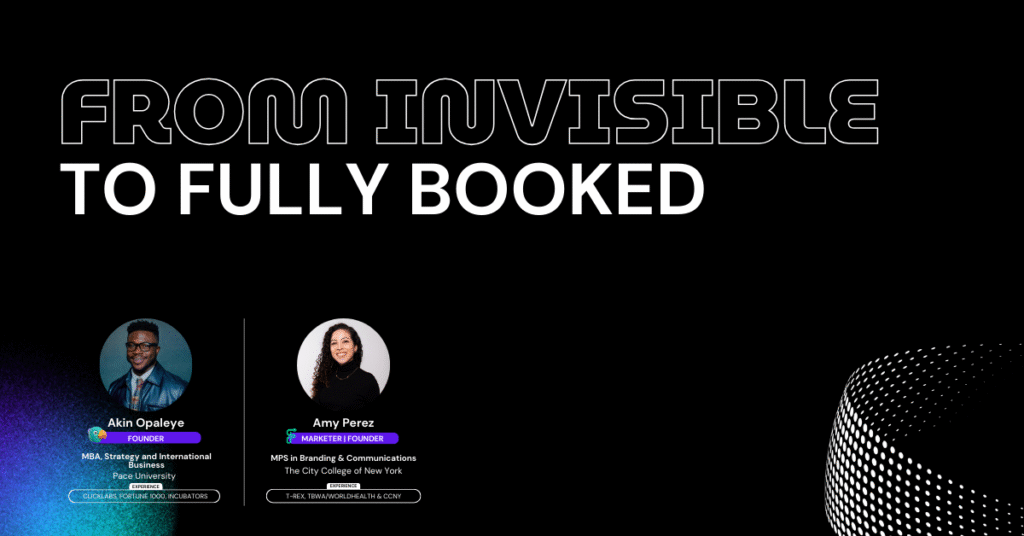
Ads Are Coming to OpenAI ChatGPT. Is Your Marketing Strategy Ready? – [Cloned #30412] March 17, 2026 Summary: Most B2B founders think they have a lead problem. In reality, what’s missing is trust. In this webinar, we broke down how inbound builds that trust, how outbound creates momentum, and why both need to work together to actually drive results. Alongside SalesParrot, Fluentica recently hosted a webinar with B2B founders and operators across the U.S. and beyond, with attendees joining from cities like NYC, Atlanta, and San Francisco, as well as countries including Colombia, Argentina, Canada, and Estonia. And interestingly, regardless of location or industry, the same question kept coming up: Why does it feel like I have a lead problem? Every founder gets to this point. Pipeline feels slow. Outreach isn’t converting. Website traffic might be there, but nothing is happening. So the assumption becomes: we need more leads. But here’s the shift we talked about in the webinar: You don’t have a lead problem. You have a trust problem. And that’s actually good news. Because leads depend on a lot of variables. Trust is something you can build. What Actually Happens Before Someone Replies to You Let’s say someone receives your LinkedIn message or cold email. What do they do? They don’t reply right away. They look you up. They check your website. Your LinkedIn. Your content. Your brand. They’re trying to answer one question: Can I trust this? And the data backs this up: B2B buyers spend only 17% of their time talking to potential vendors 57 to 70% of research happens before they ever speak to sales 81% of buyers say trust is the deciding factor So by the time someone even considers replying, they’ve already formed an opinion about you. Not based on your outreach, but based on what they found after it. Inbound Doesn’t Create Demand. It Removes Doubt. This is where most strategies go off track. Inbound is often treated as the engine for lead generation. But that’s not how it works in B2B. Inbound doesn’t create demand; it removes doubt. Outbound creates motion. Inbound removes friction. That’s the relationship. If outbound is reaching out but inbound isn’t reinforcing trust, the system breaks. You get activity, but no conversion. The 3 Signals That Actually Build Trust in B2B Marketing Instead of thinking in terms of channels, think in terms of signals. There are three that consistently show up across high-performing B2B brands: 1. Clarity If someone lands on your website, can they immediately understand: Who you serve What problem you solve Why it matters People form an opinion about your website in milliseconds. If your message is vague or overly broad, you lose them before anything else happens. 2. Credibility At some point, your audience is asking: Have you actually done this before? This is where most brands fall short. Case studies, results, real examples, and even how you frame your work matter more than listing features. Buyers are looking for proof they can relate to. 3. Consistency This is the one that gets dropped the fastest. Not because teams don’t care, but because they expect results too quickly. B2B cycles take time. Trust compounds. Consistency means: Showing up across channels with the same message Aligning your website, LinkedIn, and outreach Giving your strategy enough time to work Without consistency, even good strategies fail. How This Comes Together to Pave the Way for Outbound We worked with CodePath on their Emerging Engineers Summit. They already had: A known brand, ongoing campaigns, and content in place. But performance was declining. The issue wasn’t visibility. It was trust and clarity. When someone landed on the page, the focus was on the event itself, not the problem it solved. Messaging leaned heavily on logistics instead of outcomes. So we shifted three things: Defined the audience more precisely Reframed the message around precision in hiring Restructured content to highlight proof and relevance In other words: Instead of leading with the event name, we led with the value. Instead of features, we focused on pain points. Instead of adding more content, we aligned what already existed. When Trust Is Clear, Everything Moves Faster Once the foundation was in place, results followed: Higher open rates across outreach Stronger engagement without incentives Improved click-through rates A 70% decrease in campaign budget with better performance Not because we pushed harder, but because the friction was removed. When someone received a message, they already knew what they were looking at, and that’s what trust does. Outbound Still Matters, But It Has to Evolve SalesParrot’s founder, Akin, clearly said: Most outbound fails before it even starts. Not because outreach doesn’t work, but because people recognize patterns instantly. There’s something we discussed called the “science of association.” When someone reads: “I noticed your profile…” (the typical way LinkedIn messages start), their brain already categorizes it as outreach. And not in a good way. Even if the message is relevant, it’s filtered out. So outbound today isn’t just about personalization; it’s about breaking patterns. And more importantly, it’s about timing. If your inbound presence has already built familiarity, outbound doesn’t feel cold anymore; it feels contextual. What This Means for B2B Startup Founders Right Now If you’re a B2B founder, this is where to focus: Don’t separate inbound and outbound Don’t expect inbound to generate immediate leads Don’t rely on outbound without backing it up Instead, build the system: Outbound creates motion Inbound removes doubt Trust creates momentum And momentum is what fills your pipeline. If You Want to Go Deeper We covered this in more detail during the webinar, including examples, messaging shifts, and how to align both strategies in practice. You can watch the full session here. Content and SEO go hand-in-hand. Are your looking for support? Explore our service Related Posts B2B marketing Brand Strategy Content Strategy Digital Marketing Marketing Strategy News SEO Strategy SMB Marketing Ads Are Coming to OpenAI ChatGPT. Is Your Marketing Strategy Ready? Read More What Metrics to

B2B Lead Generation Isn’t Broken. You Have a Trust Problem. [Webinar] Read More »

measuring content performance 2026 blog

What Metrics to Measure Content Performance in 2026

What Metrics to Measure Content Performance in 2026 January 9, 2026 Summary: To measure content performance in 2026, don’t just look at clicks or read time. Focus on visibility (impressions), engagement (CTR and scroll depth), and relevance (conversions, return visits, backlink traction). Content should be tracked in clusters, not post by post, and must reflect your brand’s point of view, not just what AI tools or competitors are putting out. Content is still one of the most powerful tools for growing your brand online. But in 2026, the rules for measuring whether your content is actually working have changed. AI-generated summaries, evolving user behavior, and zero-click search results are making traffic harder to earn. This doesn’t mean content is dead. It means content performance must be measured more intelligently. The question isn’t just “how many people read it?” It’s “are the right people finding it, engaging with it, and taking the next step?” Let’s walk through how to measure content performance today; what really matters, what doesn’t, and how to connect it all back to growth. The Trap of Blog-by-Blog Metrics If you’re still evaluating each blog post in a vacuum, you’re likely making short-term decisions that won’t hold up. We’ve seen many teams cut efforts on a topic because an individual post didn’t get clicks in week one. Meanwhile, another blog from the same cluster may be steadily bringing in leads. Instead of tracking performance one blog at a time, measure content in clusters. A cluster is a group of related pieces that target a specific theme, audience need, or problem, like “hiring early-career engineers” or “SEO for small businesses.” Seeing which themes are resonating helps you double down on what’s actually moving the needle. The 3 Signals That Actually Matter in Content Performance We track many things across campaigns—but these are the three signals we come back to every time, regardless of the industry or funnel stage: 1. Impressions: Is your content getting seen? Impressions are the earliest sign that your content is aligned with what people are searching for. Even if clicks haven’t landed yet, impressions tell you that Google sees your piece as relevant to a query. In other words: you’re in the game. Now it’s about improving relevance to win the click. 2. Clicks and On-Page Engagement: Are people interacting? Once you’re visible, the next question is whether your headline and meta description make someone want to learn more. But it doesn’t stop there; scroll depth, bounce rate, and time on page all matter. If people are showing up and leaving instantly, there’s a disconnect. The copy may not match the intent, or the layout could be confusing. Engagement metrics give you clear cues on what to fix. 3. Conversions and Follow-Through: Is content influencing action? At some point, content should lead to something. Whether it’s a form fill, a sign-up, a page view of a pricing page, or even a backlink, strong content nudges the audience forward. Use GA4 or your CRM to see which pieces are part of a converting journey. Even if the blog wasn’t the final touchpoint, you can trace how it supported discovery or trust-building along the way. When Metrics Matter Most (and What to Watch) Not all metrics are equal at every stage. Let’s take a look at the chart below: Use this to set realistic expectations. A brand new blog won’t drive conversions in week one, but it might boost awareness. A blog that’s ranking but not getting clicks? Tweak the title. One that drives visits but no conversions? Update the CTA or embed internal links to the next logical step. A Real Example: Building Content Clusters That Work In this Semrush article, our founder Amy shared a behind-the-scenes look at how we helped a SaaS client improve performance by shifting focus to what their audience actually wanted. We analyzed which blogs ranked well and converted; turns out, their time-management guides and training content outperformed their compliance-heavy pieces by a mile. So we built clusters around the high-performing topics and supported them with targeted PPC campaigns. Results followed. Our takeaway from this is simple: let performance data shape what you publish next, not just your editorial calendar or your competitors’ blogs. Content That Works Starts with Strategy, Not Just Prompts We get it. Writing content in 2026 often involves some help from AI. And that’s not a problem. But if your blog sounds like ChatGPT wrote it in one take, it won’t stand out. Add your point of view. Share specific examples. Make it useful. That’s the kind of content that shows up in AI summaries and gets clicked when someone wants the real story. Start Building for Visibility and Longevity Content takes time to perform. But that doesn’t mean you wait blindly. When you’re clear about what to measure and why, you can stop chasing vanity metrics and start spotting real signals. The goal isn’t just traffic. It’s traction. Whether you’re ramping up a blog strategy, launching your first content cluster, or refreshing an old one, knowing where to invest and when to shift gears can save you time, budget, and guesswork. Content and SEO go hand-in-hand. Are your looking for support? Explore our service Related Posts B2B marketing Brand Strategy Content Strategy Digital Marketing Marketing Strategy News SEO Strategy SMB Marketing What Metrics to Measure Content Performance in 2026 Read More How B2B Businesses Drive Growth Through B2B Digital Marketing Read More How Online Marketing Can Grow Small Businesses in the Era of the Internet Read More

What Metrics to Measure Content Performance in 2026 Read More »

How B2B Businesses Drive Growth Through B2B Digital Marketing

How B2B Businesses Drive Growth Through B2B Digital Marketing November 10, 2025 Summary: Effective B2B digital marketing starts by clearly defining your target customer and leveraging inbound strategies to establish authority through high-value content. Success requires moving beyond single-platform efforts; businesses must adopt a unified multichannel approach across platforms like email and social media to deliver consistent, reinforcing brand messaging. Critical to continuous improvement is the discipline of measuring key performance indicators like lead generation and conversion rates to identify successful strategies and refine efforts. Ultimately, sustainable B2B growth is achieved not through complexity, but through consistent execution and a focused, repeatable system. In today’s crowded markets, businesses can’t afford to blend into the background, they need digital strategies that make them stand out, and in turn, grow as a firm. Strong B2B Digital Marketing starts with knowing who you want to reach. Businesses should define their ideal customers and make sure their websites, and online materials are easy to use and focused on turning visitors into leads. Sharing useful content and showing expertise helps build trust and credibility from the start. To put this into practice, Inbound marketing should be seen as the backbone of a company’s growth strategy, providing the structure and support that holds your efforts together. When content is aligned with customer roadblocks and amplified across the right channels, it creates a steady flow of qualified leads that convert over time. For a deeper dive into foundational pillars and actionable insights surrounding B2B Marketing, check out our guide! How Effective is Multichannel Outreach? No single platform is enough on its own. Using LinkedIn, email, and industry websites helps connect with decision-makers where they already spend time. Personalized outreach to key accounts can make a big difference, while online events, ads, and webinars help spread the message to a wider audience. To maximize results, businesses should think of these channels not as separate tactics but as parts of a unified strategy. A multichannel approach ensures that prospects encounter consistent messaging across touchpoints, reinforcing brand credibility and increasing the chances of engagement. In fact, many B2B Digital Marketing leaders are beginning to view multichannel outreach as the natural evolution of outbound marketing, an approach that goes beyond single-platform campaigns to create a more connected buyer experience. As noted in a recent Forbes discussion on the future of outreach, “…a single-channel approach [puts you at risk of] missing your audience or becoming outdated”. All in all, a multichannel strategy isn’t just about being everywhere, it’s about making every interaction count. When prospects see consistent messaging across the platforms they already trust, it builds credibility, keeps your brand top of mind, and drives the kind of visibility, engagement that fuels growth. What Should You Measure to Improve in B2B Digital Marketing? Good marketing is about learning and improving. By keeping an eye on results, like how many leads are generated and how much it costs to win new customers, businesses can see what’s working and what’s not. These metrics include… Website Traffic – Tracks how many people are finding and visiting your site and through which channels (Web search, ads, social, etc.) Lead Generation – Measures how well your marketing turns interest into potential business opportunities (form submissions, newsletter sign-ups) Content Performance — Assesses which publications resonates with your audience, allowing for you to double down on that moves your firm forward Simple tools for automation and testing make it easier to adjust campaigns and get better results over time. When it comes to B2B marketing, tracking a broad range of metrics provides valuable insight into overall performance. Engagement rate and conversion percentages can also help paint a clearer picture of how well campaigns are resonating with the right audience. Looking at these numbers over time allows businesses to spot trends, identify areas for improvement, and make more informed decisions about where to invest resources. As highlighted in HubSpot’s overview of B2B Digital Marketing metrics, consistent measurement is less about chasing individual numbers and more about building a feedback loop that drives smarter, more effective strategies. When businesses treat measurement as an ongoing feedback loop, the payoff is clear: stronger engagement. Every adjustment makes campaigns more relevant, every insight helps messages land better, and over time that steady improvement builds the kind of audience connection that fuels lasting growth. B2B Digital Marketing Growth Comes from Consistency, Not Complexity B2B digital marketing isn’t about chasing every new tool or trend. It’s about building a clear, repeatable system that connects the right businesses at the right moment. Companies that keep things focused, practical, and adaptable will be the ones that stand out and lead. The real advantage comes from showing up consistently with the right message, which in turn, boosts visibility, sparks genuine engagement, and creates more opportunities for conversions. That’s how brands move beyond noise and build lasting growth.  Ready for your firm to rise above, not ride behind? See how we do it Related Posts B2B marketing Brand Strategy Content Strategy Digital Marketing Marketing Strategy News SEO Strategy SMB Marketing What Metrics to Measure Content Performance in 2026 Read More How B2B Businesses Drive Growth Through B2B Digital Marketing Read More How Online Marketing Can Grow Small Businesses in the Era of the Internet Read More

How B2B Businesses Drive Growth Through B2B Digital Marketing Read More »

make a brand different

Brand Differentiation Isn’t a Slogan. It’s a Feeling.

Brand Differentiation Isn’t a Slogan. It’s a Feeling. October 21, 2025 What Google’s “Vanilla Pro” Campaign Can Teach Us About Standing Out There’s a moment in Google Pixel’s latest ad where everything clicks. A woman, standing outside a flower shop, casually asks her phone a question about how long her bouquet will last. No scrolling, no tapping. Just a real-time answer from Gemini. Cut to the guy next to her, holding his soft-serve cone and his “Vanilla Pro” phone. He watches. Confused. A little disappointed. You can feel him asking himself: “Did I make the right choice?” That’s the power of brand differentiation. When Your Brand Feels Like a Tribe Google didn’t just show off features in that ad. They told a story. It’s not about saying “Pixel does X better than iPhone.” Instead, they show people what’s possible when you’re part of something built for real-life use. For the person solving, moving, doing, and asking. Pixel isn’t just another phone; it’s a reflection of how their users think. You belong to something smarter. Faster. Yours. In branding, this emotional spark is what builds loyalty. That “aha” moment when someone realizes they’ve been settling for “average.” That’s not something a spec sheet can deliver. It’s earned through positioning, storytelling, and how your brand shows up, again and again. How to Apply Brand Differentiation to Your Business We work with B2B and service-based businesses all the time who say, “But we’re not Google.” That’s the point. You don’t need a Super Bowl budget to stand out. You just need to know what makes you not vanilla. In our work, brand differentiation often starts with this mindset: Speak from your customer’s point of view. Just like Pixel shows people asking real questions, your brand should show up for your audience’s real challenges. Create moments that shift perception. Instead of telling them “you’re different,” show it through testimonials, behind-the-scenes moments, or bold creative choices that contrast with what’s expected. Build community, not just customers. When people resonate with your point of view, they’re more likely to advocate for you. That’s not luck; it’s intentional brand work. Invest in your voice. Consistent messaging builds familiarity. That familiarity builds trust. And trust is what drives conversion. The Cost of Playing It Safe Being safe is the most dangerous marketing strategy. The ad didn’t call the competitor boring. But the name “Vanilla Pro” did it for them. Brands that stay generic, especially in crowded markets, blend into the background. And in today’s world, attention is earned, not given. We’ve seen firsthand how strategic messaging can transform perception. One of our clients, a local ABA therapy provider, went from being another ABA provider in the area to becoming the go-to option in their community, all without changing their services. We simply helped them show up with clarity, personality, and consistency. Build a Brand That Isn’t Vanilla You’re not selling a product. You’re selling a feeling. A reason to switch. A reason to stay. So ask yourself: Is your brand making someone stop and think, “Did I make the right choice?” If not, maybe it’s time to stop being vanilla. Ready to build a brand your customers love even more? See how we do it Keeping it Fluent with this Quick Q&A Do I need a full rebrand to stand out? Not necessarily. Often, it’s about clarifying what already makes your brand unique, and expressing it clearly and consistently. Is this just a B2C thing? Not at all. In B2B, your buyers are still people. Brand differentiation makes the buying process easier by reducing friction and building trust. Can a small business compete with big brands? Absolutely. Your advantage is agility. You can speak directly to your audience without the red tape. And that builds stronger connections faster. Related Posts B2B marketing Brand Strategy Content Strategy Digital Marketing Marketing Strategy News SEO Strategy SMB Marketing What Metrics to Measure Content Performance in 2026 Read More How B2B Businesses Drive Growth Through B2B Digital Marketing Read More How Online Marketing Can Grow Small Businesses in the Era of the Internet Read More

Brand Differentiation Isn’t a Slogan. It’s a Feeling. Read More »

how to nurture B2B Leads

How We Nurture B2B Leads with Strategy and Intention

How We Nurture B2B Leads with Strategy and Intention Amy Perez August 14, 2025 B2B marketing, Digital Marketing, Marketing Strategy Everyone talks about lead nurturing. But in B2B, especially SaaS, most lead nurturing workflows are treated like a graveyard for cold leads that didn’t convert. Same tired email sequences. Same vague CTAs. No wonder they stop opening. The problem isn’t that B2B buyers don’t want to hear from you. It’s that they’re being spoken at, not to. So what does it actually take to nurture B2B leads in a way that keeps them engaged and ready to convert? Let’s break it down. What Is Lead Nurturing In B2B Marketing? Lead nurturing is the process of building relationships with potential buyers by guiding them through the decision-making journey. It’s not about blasting product updates. It’s about providing relevant, timely, and useful content that matches where they are in their journey, not where you wish they were. The goal? Stay top of mind until they’re ready to buy. Why You Need a Workflow to Nurture B2B Leads In B2B, sales cycles are long. Decision-makers aren’t just comparing features; they’re weighing risk, timing, internal politics, and budget. According to HubSpot, the average B2B sales cycle is 84 days or longer. If your content doesn’t adapt across those 12 weeks, you’ll lose the deal to a brand that does. Marketers need to keep in mind that a solid lead nurturing strategy helps you: Build trust over time Shorten the sales cycle Boost conversion rates Create more informed buyers And here’s the real win: nurturing leads effectively means you don’t have to start from scratch every quarter with cold outreach. Why Most B2B Lead Nurturing Efforts Fail No strategy: Most teams hit “send” on a 5-email sequence and call it a day. There’s no segmentation. No narrative. Just noise. Lack of personalization: Your leads don’t all care about the same thing. Warm leads need different proof points than cold ones. Yet, everyone gets the same email. Ignoring timing: Just because someone downloaded your guide doesn’t mean they’re ready to buy this quarter. The right message at the wrong time is still the wrong message. Too much automation, not enough intention: Tools are great, but without a strategy behind them, they’re just fancy spam machines. Nurturing B2B Leads Starts with Your Audience As with everything in marketing, effective lead nurturing starts with your audience. Not your product. Not your roadmap. What does your audience need help with? What goals are they trying to achieve? If your emails don’t reflect that, they’re getting archived. Real nurturing is about empathy. That means personal touchpoints, content tailored to where someone is in the funnel and what they need to succeed in their role. When you give people content that empowers them at work, you start real conversations. How Fluentica Builds Programs to Nurture B2B Leads Fluentica helped power the Emerging Engineers Summit (EES), one of CodePath’s biggest lead-generating events. The goal: engage, segment, and convert cold-to-warm B2B prospects (employers, recruiters, and sponsors) across a 4-month nurture campaign. What we’ve accomplished: Open rates increased from 18-27% in 2024 to up to 40% with the new workflow. Click-through rates (CTR) jumped from 1.1-4.5% (using incentives) to 5-14% without incentives, just highly relevant content. Better segmentation gave us smarter insights and stronger future campaigns. Why did it work? Because we didn’t treat leads like checkboxes. We gave them value and space to move forward. Let’s Break Down How We Build B2B Nurture Programs We structure our nurture programs with two key ingredients: Behavioral scoring + personalized content. Here’s what that looks like in practice: Step 1: Segment Leads by Temperature We don’t treat all leads the same. Warm leads: Engaged, high intent. Often clicked or responded to something recently. Cold leads: Dormant, skeptical, or very top-of-funnel. Each gets a different nurture track. Step 2: Define Your Content Role Not all nurture content needs to push the sale. For cold leads, we send content that builds trust. Things like: A story from someone who’s been in their shoes A pain-point-specific blog An invite to a free, low-commitment webinar (This gets them back into conversation mode.) For warm leads, we send content that moves them closer to buying: Product use cases Testimonials Comparative content that shows why our solution stands out Step 3: Use Behavioral Scoring to Trigger Sales Handoff Once a lead hits a scoring threshold, based on clicks, opens, downloads, or replies, they’re passed to sales. This ensures that only engaged, sales-ready leads land in a rep’s inbox. Step 4: Optimize, Monthly In the EES program, every month brought new tests: Subject lines Send times Copy length and format CTA placement This isn’t about guesswork. It’s about building a system you can refine as you go. What Happens When You Get It Right Cold leads re-engage Warm leads convert Sales doesn’t waste time on dead ends You build a solid brand You become known, not just as a vendor, but as a valuable resource. Nurturing Is a Long Game, But It Works B2B lead nurturing isn’t about doing more. It’s about doing better. It’s about understanding your audience, creating value-rich content, and timing it right. When you build your nurture flows with care, your leads won’t feel pushed; they’ll feel supported. And when that happens, conversions follow. Want to turn your “maybe laters” into closed deals? Start with a strategy that respects the journey. Keeping it Fluent with this Quick Q&A What is B2B lead nurturing? It’s the process of guiding leads toward a sale by offering helpful, timely content that builds trust over time. Why do most nurture campaigns fail? Because they’re generic, poorly timed, and ignore the audience’s actual journey. Should cold and warm leads get the same emails? Definitely not. Cold leads need education and value. Warm leads need clarity and proof. When should you hand off a lead to sales? When their behavior shows consistent intent, like multiple clicks, replies, or downloads. Use scoring to make it

How We Nurture B2B Leads with Strategy and Intention Read More »

fluentica b2b marketing agency new york tech week

Fluentica Brings SEO to the Forefront at NY Tech Week

Fluentica Brings SEO to the Forefront at NY Tech Week Wendy Betancourt July 25, 2025 B2B marketing, News Last month, during New York Tech Week, Fluentica hosted a panel in partnership with Shopify called “Aligning SEO, Brand, and Content for Growth.” This chat brought together B2B startup marketers and founders to tackle a key point: SEO doesn’t work on its own. The panel, moderated by Lorena Contreras (Associate Brand Manager at Haleon), brought together agency founders and marketing experts, including Amy Perez (Co-founder of Fluentica), Lynsie Slachetka (Founder of aJuxt), and Sabrina Ramos (Founder of Pop Spark). Each panelist shared hard-won lessons from the field, but Fluentica made it clear: SEO is no longer a back-office strategy; it’s the front door. Why SEO Needs Brand and Content to Succeed Fluentica’s co-founder Amy led the conversation by asking the one question most brands avoid: “If someone Googles you today, would they actually understand what you do?” The truth? Most companies, especially in the B2B space, are still hiding behind vague taglines and bloated service pages. Your B2B SEO strategy can’t rely on keyword stuffing if your brand lacks clarity. As she said, “We’re still writing for search engines instead of writing for people.” Amy walked through what a modern B2B SEO strategy actually needs: Clear positioning: “You can’t win search if people don’t understand what you offer.” Consistent messaging: From headlines to meta descriptions, it all needs to signal relevance to both users and search engines. Brand signals: SEO today is just as much about how your brand is recognized and referenced as it is about the words on the page. Positioning Drives Performance As Amy emphasized during the panel, startups often think they have an SEO problem when, in reality, they have a positioning problem. The two are deeply connected. “Before you can optimize for traffic,” Amy said, “you need to define who you’re talking to and why they should care.” This is where Fluentica is helping businesses move the needle. Instead of jumping into tactics, the agency starts with message clarity, audience alignment, and brand consistency, the foundation every SEO strategy actually depends on. Social Media as a Mirror of Brand Readiness Lynsie brought the data-backed perspective, especially around how social media reveals brand clarity or lack of it. She pointed out that many B2B brands over-invest in output (posting constantly) without a clear view of performance or audience needs. Her key takeaways: Use social to validate your message: Are people engaging? Are they confused? Use reactions as real-time feedback. SEO and social shouldn’t compete: Repurpose content from one channel to fuel the other. Your blog post should inform your LinkedIn presence—and vice versa. Analytics must serve decisions: Don’t track everything. Track what connects back to strategy. Content That’s Clear Wins: Online and Off Sabrina focused on event marketing and how physical experiences tie back to brand building and long-term growth. She challenged the idea that events are only for top-of-funnel buzz: Events are content. They’re community. They’re SEO fuel if you document them right.” Show, don’t sell: At events, your brand has a chance to behave the way it says it does. Content from events should live beyond the event: Turn panels into quotes, insights, and shareable takeaways. In-person moments boost authenticity: These real-world signals support everything else, including search. Moving the SEO Conversation Forward Hosting this panel wasn’t just about presence at NY Tech Week; it was about ownership. Fluentica is pushing the SEO conversation forward by connecting it to what actually drives growth: strategic messaging, thoughtful content, and positioning that cuts through the noise. That’s what Fluentica wanted to show at this New York Tech Week panel. Not just that SEO matters, but that SEO reflects the health of your entire marketing engine. We’re not chasing rankings. We’re building relevance. Keeping it Fluent with this Quick Q&A What’s the biggest mistake startups make with SEO? Skipping brand strategy. Without clear positioning, your content will never resonate—online or offline. What’s the most important takeaway for early-stage B2B startups? SEO performance isn’t just about keywords. It’s about clarity—clear offers, clear value, clear language. What role does social media play in SEO? Social is where your message is tested in real time. If it doesn’t land there, it won’t land in search. Where should a startup begin with SEO? Start by asking: Can a stranger understand what we do in 10 seconds? If not, fix your message before buying ads or writing blogs. How do events connect to content and growth? Events generate content, build brand signals, and create moments that make your message more human and more visible online. Wendy Betancourt Armed with a solid foundation in finance and marketing, gained from corporate positions after graduating from Baruch College in NYC, Wendy merges strategic insight with hands-on experience to elevate business operations and foster meaningful client relationships. She is committed to delivering the best client experience, forging new partnerships, scouting top talent, or curating unforgettable event experiences. Related Posts B2B marketing Brand Strategy Branding Content Strategy Digital Marketing Fluentica Intercultural Marketing Strategies Marketing Marketing Strategy Multicultural Marketing Trends News Paid Advertising SEO Strategy Sin categorizar Small Business Marketing SMB Marketing Social Media Strategy Startup Marketing US Hispanic Market Insights Websites Fluentica Brings SEO to the Forefront at NY Tech Week Read More A Practical Guide to B2B Inbound Marketing That Works Read More B2B SEO Strategy: It’s More Than Just Keywords Read More

Fluentica Brings SEO to the Forefront at NY Tech Week Read More »

b2b inbound marketing guide

A Practical Guide to B2B Inbound Marketing That Works

A Practical Guide to B2B Inbound Marketing That Works Amy Perez April 24, 2025 B2B marketing, Digital Marketing B2B marketing isn’t about the loudest brand in the room, it’s about being the one that shows up when your ideal customer is actually looking for you. That’s the heart of inbound marketing. For startups and growing B2B businesses, inbound isn’t just a nice-to-have. It’s how you build trust, generate demand, and create long-term visibility. But not all inbound strategies are built equally, and doing “everything” won’t get you further. Let’s get into what works and how to build a B2B inbound marketing strategy that drives growth without burning out your team. What Is B2B Inbound Marketing? B2B inbound marketing is about attracting the right leads to your business, without shouting for attention. Instead of pushing your product into someone’s inbox, you’re answering a question they’re already asking. Think: a founder types a problem into Google after their investor asks about growth, or a junior marketer scrolls LinkedIn trying to prove their next move is backed by strategy. Inbound marketing makes sure your brand shows up in those moments. Why B2B Inbound Marketing Matters Inbound marketing builds trust before your sales team ever steps in. It works because B2B buyers take longer to convert and do more self-research. And in a world where most people ignore cold emails, trust is everything. In fact, 74% of the B2B buyers conduct more than half of their research online before contacting the company directly to complete a purchase. That means your content, your SEO, and your positioning are doing the selling, whether you planned for it or not. But let’s be clear: inbound marketing doesn’t mean doing everything. At Fluentica, we always start with the basics: Who’s your customer, and what do they need? The more focused your inbound strategy is, the more effective it’ll be. How to Build a Smart B2B Inbound Marketing Strategy Inbound isn’t a content checklist. It’s an engine. And like any engine, it only runs well when each part works with intention. These are the most common tactics we’ve seen drive real results for B2B startups and growing teams: SEO-Driven Blog Content Your blog isn’t a formality– it’s the foundation of your B2B inbound marketing strategy. Educational posts, thought leadership, and industry trends can position your brand as the go-to answer for your ICP’s biggest pain points. Start by using real customer questions, pair them with keyword research, and write like a human. Want to see how SEO and brand messaging work together? We break it down in this blog about what your B2B SEO strategy might be missing. LinkedIn (Founder-Led or Brand-Led) LinkedIn is the digital hallway of B2B marketing. Your future clients are already there. But instead of pitching, show up with substance: Share bite-sized ideas from blog content Start conversations with POVs Use visuals like carousels and short videos to build familiarity And yes, founder-led content outperforms brand pages more often than not. Email Marketing That Nurtures, Not Blasts Inbound doesn’t stop at acquisition. Once someone joins your list, it’s your job to stay top of mind (without annoying them). Share value in every send Segment by need, not just behavior Build sequences that guide, not push Keep the tone human. If your emails sound like a template, they’ll get treated like one. Case Studies That Make the Case A well-structured case study isn’t optional, it’s a B2B must. And no, they don’t need to be 5-page PDFs. Focus on the transformation Show the numbers Quote your client directly Social proof works. People want to see that someone like them got results from working with you. Content That’s Built to Be Repurposed Don’t reinvent the wheel– refine it. A single blog post can become: A podcast episode A LinkedIn carousel A client-facing newsletter A webinar talking point Good B2B inbound marketing doesn’t create content. It creates assets and then amplifies them based on the channel. Lead Magnets That Actually Solve Something No one wants to download a 15-page PDF with zero value. But if your audience is stuck, and you offer something that gets them unstuck? You’ve got their attention. Strategy checklists Audit templates Resource libraries Inbound works best when it meets your audience where they are and gives them something useful to walk away with. It’s All Part of the Ecosystem Inbound marketing is just one part of a bigger system. A full growth engine could look like this (in most cases): Content: Blogs, case studies, lead magnets Amplification: Social media, email, paid media Conversion: Nurture sequences, high-converting website, brand consistency Each part builds off the other. The point isn’t to go all-in on everything, it’s to do what works for your audience. Build Smarter, Not Louder B2B inbound marketing isn’t about volume—it’s about clarity, relevance, and showing up with the right message at the right time. Whether you’re early-stage or scaling, the strategies that work are the ones that are rooted in what your audience actually needs. If your current inbound marketing feels scattered, or if you’re not sure where to start, let’s talk. Fluentica helps B2B startups and small teams build smart, sustainable inbound engines that make noise where it counts. Want your content to convert? See how we do it Keeping it Fluent with this Quick Q&A What’s the difference between inbound and outbound marketing? Inbound attracts through helpful, relevant content. Outbound pushes through cold emails, ads, and direct outreach. In B2B, inbound builds trust early. Is inbound marketing worth it for early-stage startups? Yes, especially if you’re still building awareness. Inbound content can drive organic traffic, support sales conversations, and grow credibility over time. How long does it take for B2B inbound marketing to work? Like anything in B2B, it depends. SEO may take months. Social might pick up faster. What matters is consistency. Should I do all of these strategies? Yes and no. Start with what makes sense for your team and your ICP. Build from there. Inbound isn’t about

A Practical Guide to B2B Inbound Marketing That Works Read More »

your b2b seo strategy needs this

B2B SEO Strategy: It’s More Than Just Keywords

B2B SEO Strategy: It’s More Than Just Keywords Amy Perez April 17, 2025 B2B marketing, Digital Marketing, SEO Strategy Everyone wants to show up first on Google. That’s the goal, right? Ranking high in search is one of the top benefits of building a strong B2B SEO strategy. But most companies go about it the wrong way. They overload on keywords and write for algorithms instead of people. And in the process, they lose what makes their brand actually worth paying attention to– clarity, connection, and credibility. The importance of SEO for B2B goes beyond technical checklists. What Google rewards, and what your audience responds to, is content that’s clear, useful, and positioned with intent. Why Writing Just for Google Can Backfire Let’s be honest: Google is smart. The algorithm knows when your content is trying too hard. If you’re stuffing your page with keywords but can’t clearly explain who you are or what you offer, you’re not going to rank. And even if you do, your bounce rate will tank. Google rewards clarity. Your readers do too. In fact, Google’s Search Quality Evaluator Guidelines state that the experience, expertise, authoritativeness, and trustworthiness (E-E-A-T) of content heavily influence rankings. Translation? Content that sounds robotic or generic won’t help you. Your B2B SEO strategy has to communicate something meaningful and do it well.   What Makes a Strong B2B SEO Strategy Work You don’t need to choose between writing for Google and writing for people. The best content does both. But to get there, your foundation needs to be solid. Here’s what your B2B SEO strategy may be missing: Positioning: Say Exactly Who You Are Clear positioning makes it easier for both Google and your audience to understand you. When your site clearly says who you help and how, search engines know how to categorize your content, and visitors know if they’re in the right place. Your brand positioning should answer: Who is this for? What problem does it solve? Why is this solution different? Strong positioning keeps your message tight. It gives your content a purpose. Without it, your SEO efforts are like a billboard with no headline. Messaging: Speak Like a Human, Not a Search Engine Messaging is where you connect. It’s not just what you do– it’s why it matters. Good messaging says: “You’ve got this pain point. We’ve got the fix.” In the context of SEO, messaging helps bridge the gap between keywords and conversion. It ensures your blogs, landing pages, and even meta descriptions feel real, not robotic. Strong messaging helps with: Website clarity Better user engagement Consistent sales conversations For example, saying “We design enterprise solutions for growth-stage startups” is clearer than “leveraging scalable platforms for optimized workflow automation.” Google prefers clarity. And your prospects do, too. Brand Signals: Let the Internet Talk About You Brand signals are the external indicators that show search engines your company is active, consistent, and relevant. These include: Branded search volume Social media profiles and activity Mentions and backlinks from trusted sites Anchor texts that use your brand name When Google sees your name across channels, it builds trust. That trust = better rankings. According to Moz.com, brand mentions, even unlinked ones, can help influence your visibility on search engines. How It All Comes Together Let’s say you run a B2B company that builds customized CRMs for nonprofits. If your website has strong positioning (“We build CRMs designed for nonprofit workflows”), clear messaging (“Spend less time managing data, more time making impact”), and active brand signals (mentions on review sites, LinkedIn posts, etc.), then when you publish a blog targeting “best CRM for nonprofits”– you’re not just showing up, you’re standing out. The content now aligns with your value proposition. It’s grounded in your brand. And Google can tell. What Happens When You Write Just for Keywords What usually happens is you blend in and sound like everyone else. Eventually, you lose the chance to show what makes your business different. That’s a risky move in B2B. Buyers are more skeptical, and decisions take time. If your website, content, and brand feel forgettable, they’ll move on. A keyword-driven blog without substance won’t drive conversions. But a clear message that uses keywords with intention? That gets results. Start Ranking Your B2B Brand with a Genuine SEO Strategy SEO for B2B doesn’t mean sounding like everyone else. If your content is just trying to satisfy the algorithm, it’s going to fall flat. But when your B2B SEO strategy is rooted in positioning, messaging, and brand strength, your content becomes more than searchable– it becomes believable. Keeping it Fluent with this Quick Q&A What makes a strong B2B SEO strategy? It’s not just keywords. It’s clear positioning, human messaging, and active brand signals that all work together to support search visibility. Why does positioning matter for SEO? Positioning helps Google (and your visitors) understand who you are. It creates relevance and improves how your pages are ranked and categorized. Can I still use keywords? Absolutely! Keywords are a must. But they should flow naturally from your messaging and positioning. Keyword stuffing doesn’t work anymore. What are brand signals, and why do they matter? Brand signals include branded searches, backlinks, and mentions across the web. They help Google trust your content, and trust leads to better rankings. Amy Perez From grassroots and housing non-profit organizations to the B2B tech world and even a sprinkle of B2C law, Amy's experience runs the gamut. She excels at establishing and shaping brands from the ground up, setting the stage for success. That's why she co-founded Fluentica—to support the next generation of brands ready to make waves. Related Posts B2B marketing Brand Strategy Content Strategy Digital Marketing Marketing Strategy News SEO Strategy SMB Marketing What Metrics to Measure Content Performance in 2026 Read More How B2B Businesses Drive Growth Through B2B Digital Marketing Read More How Online Marketing Can Grow Small Businesses in the Era of the Internet Read More

B2B SEO Strategy: It’s More Than Just Keywords Read More »

Scroll to Top