
Is SEO Worth It for a Small Business? Depends on How You Grow

Summary:
SEO can be one of the best long-term marketing investments for a small business, but it is not the right answer for everyone. Whether SEO is worth it depends on how your customers find you, how competitive your industry is, and how quickly you need results. The strongest businesses rarely rely on just one marketing channel. They use SEO alongside referrals, networking, social media, and paid advertising to create consistent growth.
If you’ve looked into SEO before, you’ve probably come across two completely different opinions. One person says SEO is the best investment you can make. Another says AI has made SEO irrelevant.
Meanwhile, you’re just trying to answer a much simpler question: Is SEO actually worth it for my business?
The answer is yes… sometimes.
That’s probably not the answer you expected from a marketing agency, but it’s the honest one.
SEO isn’t a magic button you turn on and suddenly start receiving inquiries. Just like networking, paid advertising, or social media, it works best under certain conditions. So instead of convincing you that every business needs SEO, let’s look at when it makes sense, when it doesn’t, and how it compares to the other ways small businesses typically grow.
Before Asking if SEO Is Worth It, Ask How Your Customers Find You
The value of SEO has very little to do with Google, and it has everything to do with your customers.
Think about how someone finds an accountant. Or an ABA therapy provider. Or a family lawyer. Or a marketing agency.
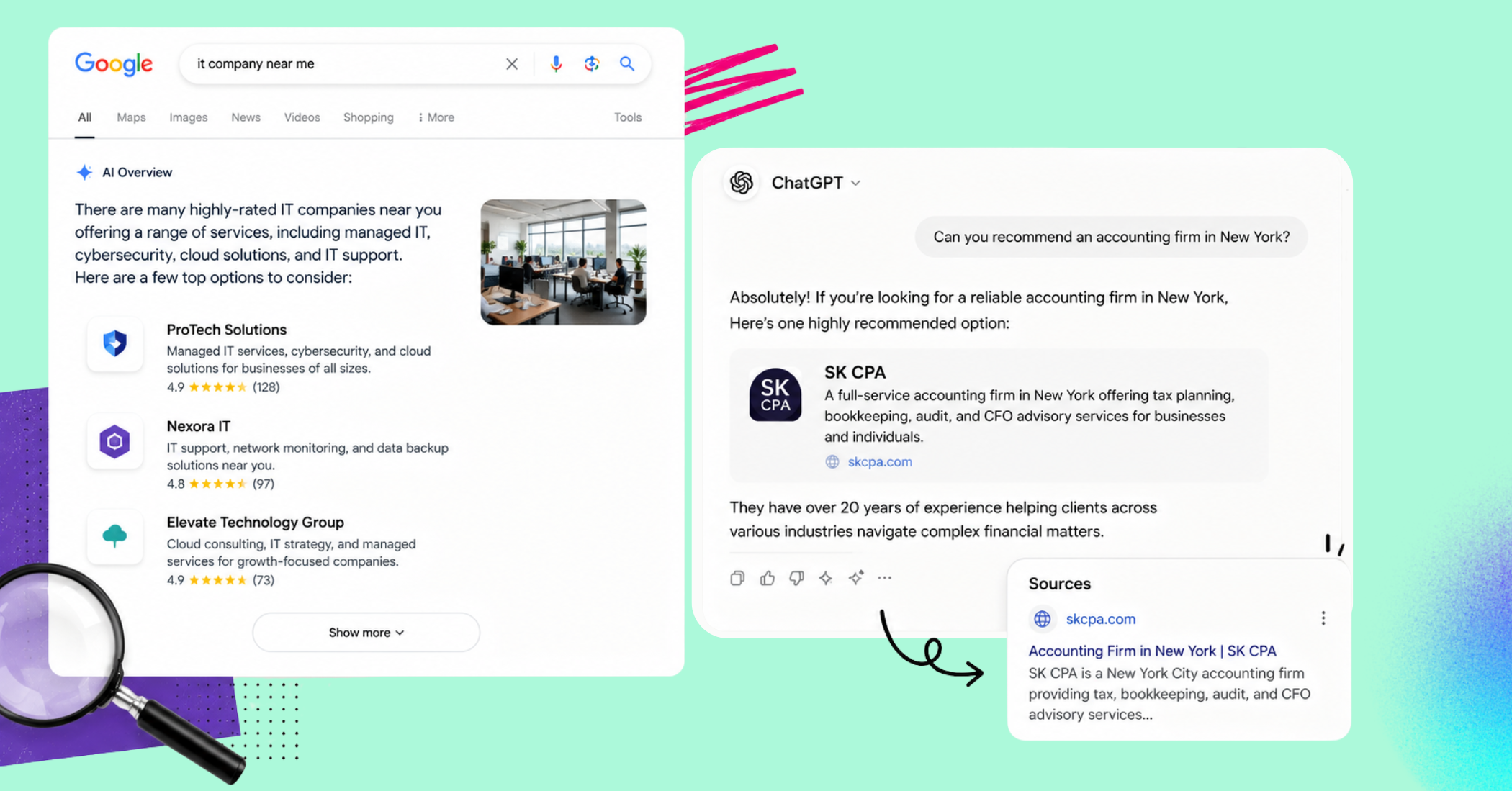
Most people don’t scroll Instagram hoping one appears. They search.
Sometimes they’re comparing providers. Sometimes they have an urgent need. Sometimes they’re simply gathering information before making a decision.
If people are already searching for the service you provide, SEO gives your business an opportunity to show up during that decision-making process. That’s why we always say SEO is less about rankings and more about visibility. Because visibility creates opportunities.
SEO Isn’t Meant to Replace Your Marketing
One of the biggest misconceptions about SEO is that it’s supposed to become your primary source of leads. At Fluentica, that’s not how we see it.
SEO isn’t meant to replace your marketing; it’s meant to strengthen it. Think about what happens after someone hears about your business.
- A colleague recommends you.
- Someone meets you at a chamber event.
- A prospect receives your cold email.
- Someone watches one of your videos on LinkedIn.
- What happens next?
Most people don’t immediately call you.
- They Google you.
- They visit your website
- They read your service pages.
- They look for reviews.
- They want proof.
SEO helps make sure there’s something worth finding. That’s why we often say that SEO builds trust before the first conversation ever happens.
Where SEO Fits Alongside Other Marketing Channels
Instead of asking which marketing channel is best, it’s more useful to understand what job each one is supposed to do.
SEO vs. Paid Advertising: Paid advertising creates immediate visibility.
If you need leads next week, paid ads can be incredibly effective. Launch a campaign today, and people can find you this afternoon.
The tradeoff is that visibility usually ends when the campaign ends. SEO takes longer to build, but unlike advertising, the work continues paying dividends long after it’s published. That’s one of the reasons it’s our favorite long-term marketing strategy. Not because it’s better than paid advertising, but because it keeps working after the initial investment.
SEO vs. Referrals: Referrals build trust before someone even knows you.
Many small businesses tell us the same thing. “We don’t really need SEO. Most of our business comes from referrals.” And we say: That’s great! Honestly, props to business owners who’ve invested so much time and money into networking. Referrals are one of the highest quality lead sources you’ll ever have.
But referrals have one limitation: You don’t control how often they happen. Someone has to remember you and recommend you. Someone has to know someone looking for your service.
SEO creates another path. Instead of waiting for someone else to introduce your business, you’re making it easier for potential customers to find you themselves. The goal isn’t replacing referrals; it’s making sure your business isn’t dependent on only one source of growth.
SEO vs. Networking: Networking builds relationships.
Networking has built countless successful businesses, and so has SEO.
The difference is that they create opportunities in different ways: Networking builds relationships while SEO builds discoverability. One starts with conversations while the other starts with searches.
Interestingly, they often work together. Someone meets you at an event. Later that afternoon, they Google your business. Someone hears your name through a mutual connection. Before reaching out, they visit your website. That search is part of the buying journey too. And what they find often influences whether they take the next step.
SEO vs. Social Media: Social media creates familiarity.
SEO captures intent while social media catches attention. These two channels are often compared, but they serve completely different purposes.
People don’t usually wake up thinking: “I hope an accountant appears in my Instagram feed today.” But they absolutely search for: “Small business accountant near me.”
Social media helps people become familiar with your brand over time. SEO helps your business appear when someone already has a need. Those are two completely different moments in the customer journey. And both matter.
So… When SEO Is Actually Worth It?
Now that we’ve looked at where SEO fits, let’s answer the original question.
SEO is usually worth the investment when your customers actively search for the services you provide. That includes industries like:
- Accountants
- Attorneys
- ABA therapy providers
- Dentists
- Contractors
- IT companies
- Marketing agencies
- Consultants
In these industries, people often have a problem first. Then they search for someone who can solve it. If your competitors are appearing in those searches while your business isn’t, they’re earning opportunities you may never even know existed. That doesn’t mean every visitor becomes a customer. It means your business has a chance to enter the conversation.
When We’d Tell You Not to Invest in SEO… Yet
This is probably not what you’d expect an SEO agency to say. But sometimes, SEO isn’t the first investment we’d recommend.
For example, if you’re launching a brand new business and you’re still trying to figure out who your ideal customer is, what makes you different, or even how to talk about your services, we’d spend time on your brand first. Because SEO amplifies what’s already there. If the messaging isn’t clear, ranking higher won’t solve the problem.
The same goes if you need leads immediately. SEO takes time. Google needs time to crawl your pages, understand your website, and build confidence in your content. If your goal is to generate inquiries over the next few weeks, paid advertising is usually the better option.
There are also businesses that grow almost entirely through referrals or long-standing partnerships. In those cases, SEO may not be the highest priority today. That doesn’t mean you should ignore it forever. It simply means marketing works best when you’re solving the right problem at the right time.
SEO Is an Investment. Not an Expense.
When business owners ask us whether SEO is worth it, they’re often comparing it to a monthly expense. Something that comes out of the budget every thirty days. We look at it differently.
- A paid ad stops working when the campaign ends.
- A networking event ends when everyone goes home.
- A social media post usually has a lifespan of a few days.
- A well-written service page or blog can continue attracting qualified visitors months or even years after it’s published.
That’s why SEO feels less like paying rent and more like building equity. The work compounds. Every optimized page, every helpful article, every local SEO improvement becomes another opportunity for someone to discover your business. That doesn’t happen overnight. But it does happen consistently when there’s a strategy behind it.
So… Is SEO Worth It for a Small Business?
If your customers search online before making a decision, then yes, SEO is usually worth the investment. If you’re looking for overnight results, probably not.
If you’re building a business you want to grow steadily over the next several years, it’s one of the strongest foundations you can invest in.
The important thing is to stop thinking about SEO as something that replaces your other marketing efforts because it doesn’t. Your referrals can lead people to Google. Your networking conversations often end with someone visiting your website. Your social media content builds familiarity before someone searches your business name.
Every channel plays a role.
SEO simply makes sure that when someone decides to look you up, they find a business that’s visible, credible, and ready to earn their trust. That’s why it continues to be one of our favorite long-term marketing strategies.
Every Small Business Has a Different Starting Point
There isn’t a universal SEO budget. There isn’t a universal timeline. And there certainly isn’t a one-size-fits-all strategy.
If you’re trying to figure out whether SEO makes sense for your business, or what an SEO strategy could actually look like, take a look at our approach to SEO for small businesses.
Wondering if SEO is the right investment for your business?
Keeping it Fluent with this
Quick Q&A
Yes, if your customers search online for the services you offer. SEO helps small businesses become visible during the decision-making process and can continue generating opportunities long after content is published.
Not necessarily. Paid advertising generates immediate visibility, while SEO builds long-term visibility. The strongest marketing strategies often use both together because they serve different purposes.
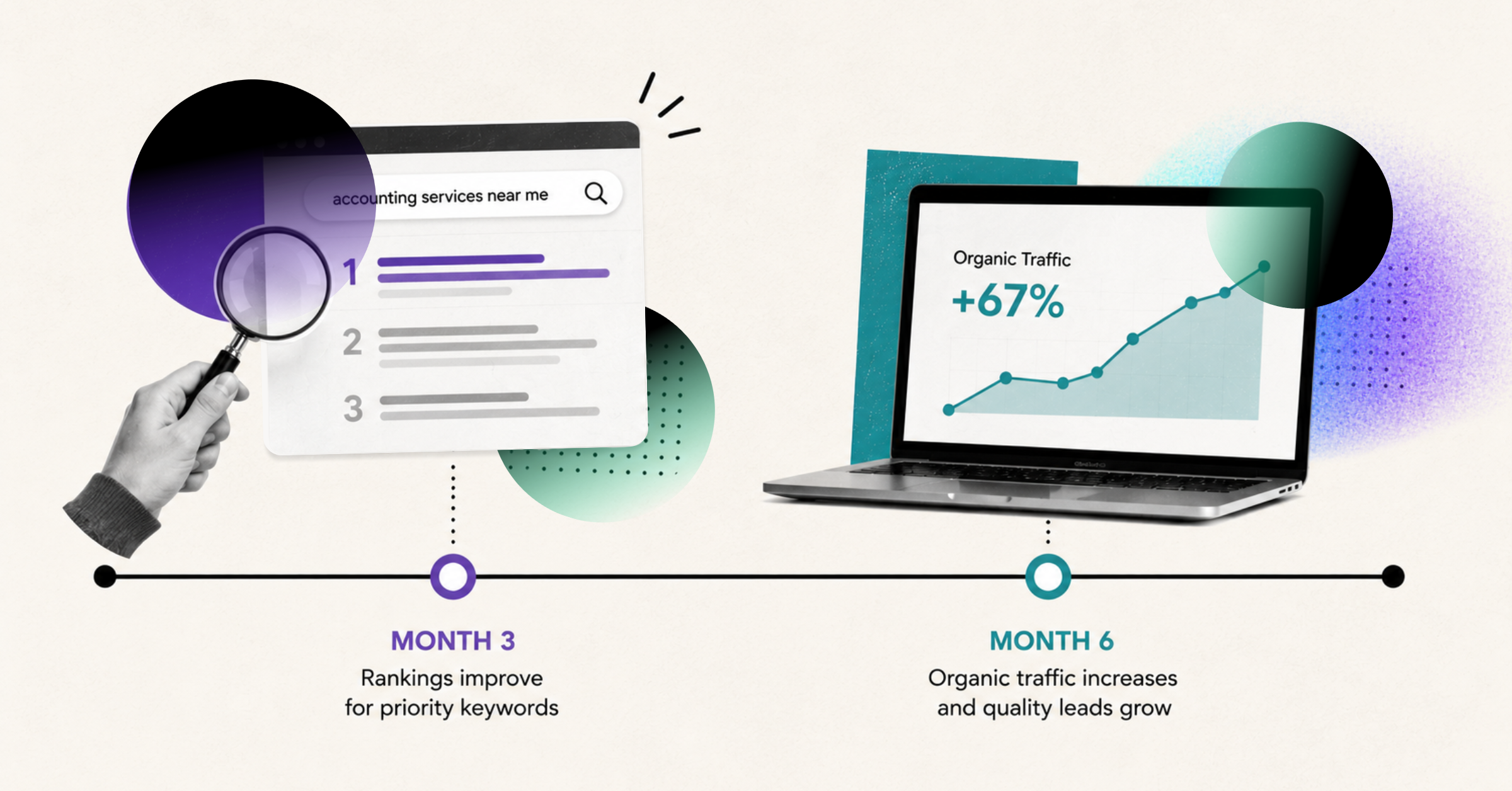
Most businesses begin seeing movement within three to six months, although timelines vary depending on competition, website quality, and the amount of optimization being done.
Yes, in fact, many business owners start by learning the basics themselves. However, SEO requires ongoing research, content creation, technical optimization, and performance tracking. As businesses grow, many decide to work with an agency so they can focus on running the business while specialists manage the strategy.
Related Posts
- B2B marketing
- Brand Strategy
- Content Strategy
- Digital Marketing
- Marketing Strategy
- News
- SEO Strategy
- SMB Marketing
- Back
- AI Optimization