

Fluentica Marketing Agency

Author name: Amy Perez

From grassroots and housing non-profit organizations to the B2B tech world and even a sprinkle of B2C law, Amy's experience runs the gamut. She excels at establishing and shaping brands from the ground up, setting the stage for success. That's why she co-founded Fluentica—to support the next generation of brands ready to make waves.

b2b inbound marketing guide

A Practical Guide to B2B Inbound Marketing That Works

A Practical Guide to B2B Inbound Marketing That Works Amy Perez April 24, 2025 B2B marketing, Digital Marketing B2B marketing isn’t about the loudest brand in the room, it’s about being the one that shows up when your ideal customer is actually looking for you. That’s the heart of inbound marketing. For startups and growing B2B businesses, inbound isn’t just a nice-to-have. It’s how you build trust, generate demand, and create long-term visibility. But not all inbound strategies are built equally, and doing “everything” won’t get you further. Let’s get into what works and how to build a B2B inbound marketing strategy that drives growth without burning out your team. What Is B2B Inbound Marketing? B2B inbound marketing is about attracting the right leads to your business, without shouting for attention. Instead of pushing your product into someone’s inbox, you’re answering a question they’re already asking. Think: a founder types a problem into Google after their investor asks about growth, or a junior marketer scrolls LinkedIn trying to prove their next move is backed by strategy. Inbound marketing makes sure your brand shows up in those moments. Why B2B Inbound Marketing Matters Inbound marketing builds trust before your sales team ever steps in. It works because B2B buyers take longer to convert and do more self-research. And in a world where most people ignore cold emails, trust is everything. In fact, 74% of the B2B buyers conduct more than half of their research online before contacting the company directly to complete a purchase. That means your content, your SEO, and your positioning are doing the selling, whether you planned for it or not. But let’s be clear: inbound marketing doesn’t mean doing everything. At Fluentica, we always start with the basics: Who’s your customer, and what do they need? The more focused your inbound strategy is, the more effective it’ll be. How to Build a Smart B2B Inbound Marketing Strategy Inbound isn’t a content checklist. It’s an engine. And like any engine, it only runs well when each part works with intention. These are the most common tactics we’ve seen drive real results for B2B startups and growing teams: SEO-Driven Blog Content Your blog isn’t a formality– it’s the foundation of your B2B inbound marketing strategy. Educational posts, thought leadership, and industry trends can position your brand as the go-to answer for your ICP’s biggest pain points. Start by using real customer questions, pair them with keyword research, and write like a human. Want to see how SEO and brand messaging work together? We break it down in this blog about what your B2B SEO strategy might be missing. LinkedIn (Founder-Led or Brand-Led) LinkedIn is the digital hallway of B2B marketing. Your future clients are already there. But instead of pitching, show up with substance: Share bite-sized ideas from blog content Start conversations with POVs Use visuals like carousels and short videos to build familiarity And yes, founder-led content outperforms brand pages more often than not. Email Marketing That Nurtures, Not Blasts Inbound doesn’t stop at acquisition. Once someone joins your list, it’s your job to stay top of mind (without annoying them). Share value in every send Segment by need, not just behavior Build sequences that guide, not push Keep the tone human. If your emails sound like a template, they’ll get treated like one. Case Studies That Make the Case A well-structured case study isn’t optional, it’s a B2B must. And no, they don’t need to be 5-page PDFs. Focus on the transformation Show the numbers Quote your client directly Social proof works. People want to see that someone like them got results from working with you. Content That’s Built to Be Repurposed Don’t reinvent the wheel– refine it. A single blog post can become: A podcast episode A LinkedIn carousel A client-facing newsletter A webinar talking point Good B2B inbound marketing doesn’t create content. It creates assets and then amplifies them based on the channel. Lead Magnets That Actually Solve Something No one wants to download a 15-page PDF with zero value. But if your audience is stuck, and you offer something that gets them unstuck? You’ve got their attention. Strategy checklists Audit templates Resource libraries Inbound works best when it meets your audience where they are and gives them something useful to walk away with. It’s All Part of the Ecosystem Inbound marketing is just one part of a bigger system. A full growth engine could look like this (in most cases): Content: Blogs, case studies, lead magnets Amplification: Social media, email, paid media Conversion: Nurture sequences, high-converting website, brand consistency Each part builds off the other. The point isn’t to go all-in on everything, it’s to do what works for your audience. Build Smarter, Not Louder B2B inbound marketing isn’t about volume—it’s about clarity, relevance, and showing up with the right message at the right time. Whether you’re early-stage or scaling, the strategies that work are the ones that are rooted in what your audience actually needs. If your current inbound marketing feels scattered, or if you’re not sure where to start, let’s talk. Fluentica helps B2B startups and small teams build smart, sustainable inbound engines that make noise where it counts. Want your content to convert? See how we do it Keeping it Fluent with this Quick Q&A What’s the difference between inbound and outbound marketing? Inbound attracts through helpful, relevant content. Outbound pushes through cold emails, ads, and direct outreach. In B2B, inbound builds trust early. Is inbound marketing worth it for early-stage startups? Yes, especially if you’re still building awareness. Inbound content can drive organic traffic, support sales conversations, and grow credibility over time. How long does it take for B2B inbound marketing to work? Like anything in B2B, it depends. SEO may take months. Social might pick up faster. What matters is consistency. Should I do all of these strategies? Yes and no. Start with what makes sense for your team and your ICP. Build from there. Inbound isn’t about

A Practical Guide to B2B Inbound Marketing That Works Read More »

your b2b seo strategy needs this

B2B SEO Strategy: It’s More Than Just Keywords

B2B SEO Strategy: It’s More Than Just Keywords Amy Perez April 17, 2025 B2B marketing, Digital Marketing, SEO Strategy Everyone wants to show up first on Google. That’s the goal, right? Ranking high in search is one of the top benefits of building a strong B2B SEO strategy. But most companies go about it the wrong way. They overload on keywords and write for algorithms instead of people. And in the process, they lose what makes their brand actually worth paying attention to– clarity, connection, and credibility. The importance of SEO for B2B goes beyond technical checklists. What Google rewards, and what your audience responds to, is content that’s clear, useful, and positioned with intent. Why Writing Just for Google Can Backfire Let’s be honest: Google is smart. The algorithm knows when your content is trying too hard. If you’re stuffing your page with keywords but can’t clearly explain who you are or what you offer, you’re not going to rank. And even if you do, your bounce rate will tank. Google rewards clarity. Your readers do too. In fact, Google’s Search Quality Evaluator Guidelines state that the experience, expertise, authoritativeness, and trustworthiness (E-E-A-T) of content heavily influence rankings. Translation? Content that sounds robotic or generic won’t help you. Your B2B SEO strategy has to communicate something meaningful and do it well.   What Makes a Strong B2B SEO Strategy Work You don’t need to choose between writing for Google and writing for people. The best content does both. But to get there, your foundation needs to be solid. Here’s what your B2B SEO strategy may be missing: Positioning: Say Exactly Who You Are Clear positioning makes it easier for both Google and your audience to understand you. When your site clearly says who you help and how, search engines know how to categorize your content, and visitors know if they’re in the right place. Your brand positioning should answer: Who is this for? What problem does it solve? Why is this solution different? Strong positioning keeps your message tight. It gives your content a purpose. Without it, your SEO efforts are like a billboard with no headline. Messaging: Speak Like a Human, Not a Search Engine Messaging is where you connect. It’s not just what you do– it’s why it matters. Good messaging says: “You’ve got this pain point. We’ve got the fix.” In the context of SEO, messaging helps bridge the gap between keywords and conversion. It ensures your blogs, landing pages, and even meta descriptions feel real, not robotic. Strong messaging helps with: Website clarity Better user engagement Consistent sales conversations For example, saying “We design enterprise solutions for growth-stage startups” is clearer than “leveraging scalable platforms for optimized workflow automation.” Google prefers clarity. And your prospects do, too. Brand Signals: Let the Internet Talk About You Brand signals are the external indicators that show search engines your company is active, consistent, and relevant. These include: Branded search volume Social media profiles and activity Mentions and backlinks from trusted sites Anchor texts that use your brand name When Google sees your name across channels, it builds trust. That trust = better rankings. According to Moz.com, brand mentions, even unlinked ones, can help influence your visibility on search engines. How It All Comes Together Let’s say you run a B2B company that builds customized CRMs for nonprofits. If your website has strong positioning (“We build CRMs designed for nonprofit workflows”), clear messaging (“Spend less time managing data, more time making impact”), and active brand signals (mentions on review sites, LinkedIn posts, etc.), then when you publish a blog targeting “best CRM for nonprofits”– you’re not just showing up, you’re standing out. The content now aligns with your value proposition. It’s grounded in your brand. And Google can tell. What Happens When You Write Just for Keywords What usually happens is you blend in and sound like everyone else. Eventually, you lose the chance to show what makes your business different. That’s a risky move in B2B. Buyers are more skeptical, and decisions take time. If your website, content, and brand feel forgettable, they’ll move on. A keyword-driven blog without substance won’t drive conversions. But a clear message that uses keywords with intention? That gets results. Start Ranking Your B2B Brand with a Genuine SEO Strategy SEO for B2B doesn’t mean sounding like everyone else. If your content is just trying to satisfy the algorithm, it’s going to fall flat. But when your B2B SEO strategy is rooted in positioning, messaging, and brand strength, your content becomes more than searchable– it becomes believable. Keeping it Fluent with this Quick Q&A What makes a strong B2B SEO strategy? It’s not just keywords. It’s clear positioning, human messaging, and active brand signals that all work together to support search visibility. Why does positioning matter for SEO? Positioning helps Google (and your visitors) understand who you are. It creates relevance and improves how your pages are ranked and categorized. Can I still use keywords? Absolutely! Keywords are a must. But they should flow naturally from your messaging and positioning. Keyword stuffing doesn’t work anymore. What are brand signals, and why do they matter? Brand signals include branded searches, backlinks, and mentions across the web. They help Google trust your content, and trust leads to better rankings. Amy Perez From grassroots and housing non-profit organizations to the B2B tech world and even a sprinkle of B2C law, Amy's experience runs the gamut. She excels at establishing and shaping brands from the ground up, setting the stage for success. That's why she co-founded Fluentica—to support the next generation of brands ready to make waves. Related Posts B2B marketing Brand Strategy Content Strategy Digital Marketing Marketing Strategy News SEO Strategy SMB Marketing What Metrics to Measure Content Performance in 2026 Read More How B2B Businesses Drive Growth Through B2B Digital Marketing Read More How Online Marketing Can Grow Small Businesses in the Era of the Internet Read More

B2B SEO Strategy: It’s More Than Just Keywords Read More »

b2b saas marketing strategies

Rethink Your Q2 Plan: B2B SaaS Marketing Strategies Aren’t About Quick Fixes

Rethink Your Q2 Plan: B2B SaaS Marketing Strategies Aren’t About Quick Fixes admin March 14, 2025 B2B marketing, Startup Marketing B2B SaaS marketing strategies take time to generate results. With Q2 around the corner, it’s tempting to make drastic changes based on short-term data. But before shifting direction, take a step back. In B2B SaaS, sales cycles are long—often spanning months—while campaign planning operates on a much shorter timeline. For B2B SaaS companies, especially startups still in the awareness phase, changing everything in Q2 can do more harm than good. Instead of chasing quick fixes, focus on refining what’s working and staying consistent with your brand message. A sudden pivot can erase the momentum you’ve built and make it harder to measure success in later quarters. Why Drastic Changes in Q2 Can Backfire Startups often expect immediate results from early marketing efforts. But in reality, most B2B SaaS sales cycles could go between a few weeks to three or six months, and sometimes longer. Making major changes based on Q1 results could mean abandoning strategies that haven’t had enough time to deliver outcomes. Short Campaign Cycles vs. Long Sales Cycles Marketing campaigns typically run for 3-6 months before showing meaningful data. Sales cycles in B2B SaaS extend across multiple quarters, often requiring multiple touchpoints before conversion. Drastic changes too soon can disrupt existing efforts and create inconsistency in messaging, confusing potential customers still in the decision-making process. Instead of reacting impulsively, use Q2 as a checkpoint to optimize what’s working while maintaining strategic consistency. How to Adjust Your B2B SaaS Marketing Strategies Without Losing Momentum A strong Q2 strategy isn’t about doing more—it’s about doing better. Here’s how to make adjustments without stalling your growth. Analyze Q1 Data for Meaningful Insights Before making any shifts, take a deep dive into Q1 reports: Which channels brought in the most qualified leads? Are certain content types driving engagement while others underperform? Are conversion rates improving, or is your pipeline slowing down? Looking at these numbers in isolation won’t tell the full story. Compare them against your B2B SaaS sales cycle timeline to understand whether your campaigns need optimization or more time to mature. Stay Loyal to Your Brand Message Brand inconsistency can be one of the biggest pitfalls of reactive marketing. If your core messaging keeps shifting, prospects won’t know what your company stands for. Ask yourself: Does your current brand message still align with your Ideal Customer Profile (ICP)? Are you addressing your audience’s pain points effectively? Is there consistency across marketing channels? Instead of reinventing your messaging in Q2, refine it to reinforce your positioning. Focus on Optimization Instead of Overhaul Rather than shutting down underperforming campaigns, fine-tune them: Adjust audience targeting for paid ads instead of cutting ad spending entirely. Repurpose high-performing content into new formats (e.g., blog posts into LinkedIn carousels). Improve email sequences by A/B testing subject lines or CTAs. These refinements allow you to improve results without resetting the foundation of your B2B SaaS marketing strategies. What Startups Should Do to Stay on Track in Q2 To make sure your marketing strategies remain effective, focus on measurable improvements rather than sweeping changes. Record Your Q1 Results for Benchmarking Your Q1 data serves as a baseline. Instead of comparing individual campaigns in isolation, track trends over time to spot gradual improvements or red flags. Keep Nurturing Leads Already in Your Pipeline B2B SaaS sales cycles require ongoing engagement. Many prospects who entered your funnel in Q1 won’t convert until Q3 or Q4. Keep nurturing them with valuable content and relevant touchpoints instead of prematurely shifting focus. Strengthen High-Performing Channels Rather than trying to be everywhere, double down on what’s already working. If organic LinkedIn posts are consistently driving engagement, expand that effort instead of spreading resources thinly across multiple underperforming platforms. Plan for Q3 Without Overcommitting Start forecasting for Q3 now, but avoid locking yourself into rigid plans. Flexibility is essential, but so is consistency. Growth B2B Marketing Growth Takes Time B2B SaaS marketing isn’t about immediate wins, it’s about building momentum that pays off over time. Changing everything in Q2 just because Q1 didn’t deliver instant results could erase the progress you’ve already made. Instead of chasing quick fixes, focus on refining what works, staying true to your brand message, and aligning your marketing efforts with your sales cycle. Your strategy should be dynamic but not reactionary. Sales cycles take time, and your Q1 efforts may not show full results until later in the year. Keep tracking performance, optimizing where necessary, and maintaining consistency. The strongest brands don’t pivot every quarter—they evolve strategically. By making thoughtful adjustments instead of drastic changes, your Q2 strategy will set the foundation for sustainable growth, stronger customer relationships, and long-term success. Keeping it Fluent with this Quick Q&A How often should I adjust my B2B SaaS marketing strategies? Regular optimizations are essential, but drastic changes every quarter can hurt momentum. Adjust tactically, not impulsively. What if my Q1 results weren’t great? Don’t panic. B2B SaaS sales cycles are long. Look for trends, refine targeting, and stay consistent with your core messaging before making major changes. How do I balance campaign planning with long sales cycles? Treat marketing as a long-term investment. Campaigns may run in 3-6 month cycles, but sales often take longer. Keep nurturing leads and building awareness. Should I pivot my messaging if engagement is low? Only if your data suggests a misalignment. If engagement is slow but improving, optimize rather than completely change your approach. admin Related Posts B2B marketing Brand Strategy Digital Marketing Fluentica Marketing Strategy Small Business Marketing SMB Marketing Startup Marketing Important Metrics to Optimize Your Marketing Budget Read More How Small Businesses Grow by Connecting Their Brand Emotionally Read More Create Brand Messages That Win New Customers Read More

Rethink Your Q2 Plan: B2B SaaS Marketing Strategies Aren’t About Quick Fixes Read More »

marketing metrics

Key Metrics to Optimize Your Marketing Budget

Key Metrics to Optimize Your Marketing Budget February 15, 2025 B2B marketing Marketing budgets rarely stay the same throughout the year. Whether it’s due to changing priorities, unexpected trends, or tighter financial constraints, adjustments are inevitable. Mid-February-March offers the perfect checkpoint: you’ve had time to implement initial strategies, and now you can assess what’s working and what needs refinement. For startups in early stages—pre-seed or seed—budgets are often stretched thin, so every dollar must be accounted for. As a Marketing Director of a startup, this is your chance to prove your strategic value by focusing on important metrics in your marketing budget that deliver real ROI, as we have done for ABA Matrix (all organically!). Why Reviewing Marketing Metrics Mid-Q1 Matters Early-year adjustments can have a significant impact. By making changes now, you can set your marketing strategy on a path to greater efficiency and ROI before the year gains momentum. For startups, particularly those at the pre-seed or seed stage, the stakes are even higher. With limited budgets and a high demand for ROI, every dollar must deliver results. In these unpredictable market conditions, strategies like rolling budgets designed for flexibility are highly recommended. That’s why the key to optimizing your budget lies in tracking clear, actionable marketing metrics. These metrics will not only guide your allocation decisions but also ensure you’re maximizing the value of every investment. What Metrics Should You Use to Allocate Your Marketing Budget? Budget allocation is not just about moving money to the cheapest channel. It is about understanding which channels are creating trust, demand, and qualified opportunities To maximize the impact of your budget, align your metrics with each stage of the marketing funnel. Awareness Stage: Attracting Prospects Metrics at this stage are about building visibility and sparking initial interest in your brand. Without awareness, your other marketing efforts won’t get the attention they need. Website Traffic: Track total visits, traffic sources (e.g., organic, paid, social), and your top-performing pages. These numbers tell you if your brand is reaching its audience and where new visitors are coming from. A spike in organic traffic, for example, could signal that your SEO efforts are paying off. Social Media Reach and Impressions: Measure how far your content travels and how often it’s seen. Platforms like LinkedIn or Instagram provide detailed insights into reach and impressions, helping you identify the types of content that resonate most with your audience. Ad Impressions and CTR (Click-Through Rate): These metrics show how effective your paid ads are at grabbing attention. A high CTR indicates that your messaging and creative are connecting with your audience. If CTR is low, it might be time to tweak your copy or visuals. Consideration Stage: Engaging and Educating At this stage, your goal is to nurture interest and turn prospects into engaged leads. This is where your content and campaigns need to educate, build trust, and showcase value. Website Engagement Metrics: Metrics like bounce rates, session duration, and pages per session reveal how users interact with your site. A high bounce rate may signal that visitors aren’t finding what they’re looking for, while longer session durations indicate that your content is engaging. Lead Magnet Performance: Evaluate how well resources like eBooks, webinars, and newsletters convert visitors into leads. For instance, if a free guide isn’t generating downloads, consider revising its content or the way it’s promoted. Marketing-Qualified Leads (MQLs): These are leads that meet your Ideal Customer Profile (ICP) and are ready for deeper engagement. Monitoring the volume and quality of MQLs can help you refine targeting strategies and improve lead-generation campaigns. Decision Stage: Converting Prospects into Customers This is where your hard work pays off. Metrics at this stage show how effectively your marketing efforts drive conversions and ROI (these metrics are often your CEO’s favorite ones 😉). Customer Acquisition Cost (CAC): This metric tells you how much you’re spending to acquire a new customer. If your CAC is too high, it may be time to reassess underperforming channels or campaigns. For example, shifting the budget from paid ads with low ROI to organic content could lower CAC while maintaining results. Conversion Rates by Channel: Track how many leads turn into paying customers across different channels, such as email, paid ads, and social media. High-performing channels indicate where to focus your efforts, while low-performing ones may need optimization or reduced spending. Return on Ad Spend (ROAS): This measures how much revenue your paid campaigns generate for every dollar spent. A low ROAS suggests that your targeting or messaging isn’t resonating, while a high ROAS signals efficiency and success. Refining Your Marketing Budget with Metrics Marketing budgets are dynamic tools that should adapt to both internal and external factors. Use these metrics to ensure your budget is always working for you: Double Down on Top-Performing Channels Allocate more resources to the platforms and strategies that consistently deliver high ROI. For example, if LinkedIn ads are driving the majority of your MQLs, increase your spend on that platform to capitalize on its success. Eliminate Inefficiencies Identify campaigns or channels that aren’t performing and redirect that budget to areas with higher potential. For instance, pause underperforming paid ads and reallocate those funds to email marketing, which might yield better engagement. Experiment Strategically Explore new, low-risk channels to diversify your reach. Testing a small-budget TikTok campaign, for instance, could uncover untapped opportunities without draining your resources. How to Keep Track of These Metrics To effectively monitor your metrics, use the right tools at each stage of the funnel: Awareness Stage: Google Analytics, Semrush, and social media insights. Consideration Stage: HubSpot, Mailchimp, and landing page analytics. Decision Stage: CRM systems, Google Ads, and LinkedIn Ads dashboards. Always Keep a Pulse on Your Budget Your marketing budget should evolve alongside your business. By regularly evaluating and optimizing key metrics, you’ll ensure your efforts are efficient and impactful. Keeping it Fluent with this Quick Q&A What metrics should I use to allocate my marketing budget? Start with CAC, ROAS, conversion

Key Metrics to Optimize Your Marketing Budget Read More »

small business grow

How Small Businesses Grow by Connecting Their Brand Emotionally

How Small Businesses Grow by Connecting Their Brand Emotionally admin January 30, 2025 Small Business Marketing, SMB Marketing Bold marketing doesn’t always mean unique; it means taking risks that others shy away from. It’s about stepping out of the ordinary and daring to be memorable. We get it—taking risks can be scary. But failing to take action? That’s scarier. One risk many small businesses avoid when thinking about ways to grow is defining who they are and how they help their audience. Don’t believe us? Think about the business next door that’s outselling you. Chances are, their brand isn’t just a logo—it’s a message that resonates. So, what does that look like in action? Here’s how some small businesses took the bold step of connecting emotionally with their audience and growing their reach, sales, and community along the way. Small Businesses That Found Their Voice Fish Hat Bob: Reeling in a Community Bob sells hats for fishing enthusiasts, but his story didn’t start with a clever marketing plan. It began with a simple, heartfelt moment. During an impromptu interview, someone admired his fish hat. Bob replied, “10 seconds of your time,” and that short clip went viral. Millions of views later, Fish Hat Bob became a phenomenon. But Bob didn’t stop there. He built a social media presence for his small business filled with authenticity, sharing his love for fishing and creating a space for others who share his passion. By staying true to his identity, Bob turned a viral moment into a loyal community. The Big Move • Bob’s story began with an authentic, unscripted moment—a spontaneous interview where he proudly showcased his product. • After the video went viral, Bob capitalized on the attention by building a social media presence that reflected his personality, passion for fishing, and appreciation for his growing community. Why It Works • Authenticity: Bob’s response felt genuine, which resonated with viewers. • Relatability: His love for fishing created a bond with his audience, many of whom shared the same passion. • Consistency: Bob didn’t stop with one viral moment. He built on his success by consistently posting engaging, authentic content that deepened his connection with his audience. Your Next Move • Share authentic moments: Don’t overthink your content. A genuine story or behind-the-scenes moment can be more impactful than a polished ad. • Create a niche community: Focus on your audience’s specific interests and build a space where they feel understood. • Stay active: Viral moments are only the beginning. Consistently engage your audience with content that reflects your values and passion.   Yo Sabo – The Game: Speaking the Right Language Yo Sabo, a card game celebrating Spanglish culture, didn’t stumble into success. They knew their audience—second-generation Latinos who grew up balancing English, Spanish, and Spanglish. By focusing on their market’s shared pain points and cultural pride, this small business crafted a brand that resonated deeply and, in fact, has helped them grow. Yo Sabo’s social media combines relatable humor, family-focused content, and product demonstrations. The result? Millions of views and a community that feels seen and connected. The Big Move • The creators identified a niche audience: second-generation Latinos who grew up speaking Spanglish. • They address a specific pain point: many in this audience felt a disconnect from their cultural roots. • Yo Sabo’s social media strategy combines relatable humor, family-focused content, and product demonstrations. Why It Works • Audience insight: Yo Sabo understood their audience’s cultural and emotional pain points, making their product more than just a game—it was a way to celebrate identity. • Relatable content: Their social media posts often depicted everyday family dynamics and cultural humor, which helped them stand out. • Engaging tactics: They used influencer collaborations, PR, and interactive content to expand their reach and drive engagement. Your Next Move • Know your market: Take time to research your audience’s struggles and desires. Build your messaging around those insights. • Use relatable content: Create posts that reflect your audience’s daily experiences or cultural identity. • Leverage influencers: Partner with influencers who align with your brand and can amplify your message authentically.   Duolingo: A Lesson in Marketing Across Channels Though not a small business, Duolingo offers a masterclass in emotional branding. Their playful, engaging TikTok content entertains while reinforcing their mission: making language learning fun. They prove that when you know your audience and speak their language—literally—you can stand out on any platform. The Big Move • Duolingo embraces a playful and bold brand personality on TikTok, creating humorous, meme-worthy content. • They extend their campaigns across multiple channels (even LinkedIn!), ensuring consistency in tone and messaging. • Their content entertains while subtly promoting their core mission of making language learning fun Why It Works • Playfulness: The brand leans into humor and pop culture references, making them stand out on TikTok. • Consistency: Despite the fun content, every post tied back to its core message: language learning can be accessible and fun. • Cross-channel integration: Duolingo didn’t rely on one platform. They carried their bold personality across all customer touchpoints Your Next Move • Embrace humor (if your brand guidelines allow): Don’t be afraid to show a playful side, especially if it aligns with your brand personality. • Tie back to your core message: Even in entertaining content, make sure your audience understands what your product or service offers. • Think beyond one platform: Repurpose content for other channels to expand your reach and ensure brand consistency.   Reverse-Engineering How Small Businesses Grow Successfully What can you learn from these brands? It’s not just luck; it’s strategy. Let’s break it down and explore how this can help your small business grow: Know Your Audience Identify their needs, pain points, and values. Speak their language—not just literally but emotionally. Connect Emotionally People respond to relatability, humor, and authenticity. Emotional branding creates loyalty. Engage Authentically Build a community by responding to comments, sharing stories, and showing your human side. Position Your Product Make sure

How Small Businesses Grow by Connecting Their Brand Emotionally Read More »

brand messaging brands

Create Brand Messages That Win New Customers

Create Brand Messages That Win New Customers Lisandra de la Paz February 3, 2025 B2B marketing, Brand Strategy, Startup Marketing Valentine’s Day is approaching, and love is in the air—not just for people but for brands, too. Imagine your business crafting a message so compelling that your audience falls head over heels for it. Strong, resonant brand messaging from a business (or a company) doesn’t just sell—it connects, inspires, and leaves a lasting impression. What is Brand Messaging, and Why Does It Matter? Think of business messages from brands as the love language of successful companies. These messages define how your brand communicates with its audience—through tone, voice, and consistent storytelling. Just like relationships thrive on meaningful conversations, your brand’s connection with customers hinges on clear and authentic messaging. Brand messaging isn’t just a slogan or tagline. It’s the personality of your business, the promise you make to your audience, and the way you make them feel. When your message resonates, it transforms casual visitors into loyal advocates. Why Do Business Messages from Brands Work? In today’s crowded marketplace, customers are bombarded with messages daily. A strong brand message sets you apart by: Being Memorable: It sticks with your audience long after they’ve encountered it. Building Trust: Consistency in messaging fosters reliability and credibility. Creating Emotional Connections: People don’t just buy products; they buy stories and experiences. To Be Successful, Brand Messaging Should: Identify Your Audience Understanding your audience is the cornerstone of effective brand messaging. Ask yourself: Who are your ideal customers? What are their biggest challenges, goals, and values? Go beyond demographics and dive into psychographics—what motivates them, what keeps them up at night, and what solutions they’re seeking. When you know your audience, you can craft messages that speak directly to their needs and position your brand as the solution they’ve been looking for. Define Your Value Proposition Your value proposition is the reason customers choose you over competitors. Clearly articulate what makes your product or service unique and the specific problem it solves. Avoid generic statements and focus on tangible benefits that resonate with your audience. For example, Instead of “We offer great customer support,” try “We respond to all support inquiries within 2 hours to keep your business running smoothly.” A strong value proposition highlights your competitive edge and sets expectations for your audience. Establish Your Tone of Voice Your tone of voice reflects your brand’s personality. Are you friendly and approachable, bold and daring, or professional and authoritative? Whatever tone you choose, it must align with your brand’s identity and be consistent across all touchpoints. A consistent tone builds trust and helps your audience recognize your brand instantly. Tip: Create a tone of voice guide that includes examples of how your brand speaks in different scenarios (e.g., social media, email, ads). Articulate Key Messages Key messages are the core statements that communicate your brand’s mission, vision, and value to your audience. They should be clear, concise, and tailored to different stages of the customer journey. Example of key messages: • For awareness: “We help startups scale faster with data-driven solutions.” • For consideration: “Our tools reduce project timelines by 30%, saving you time and money.” • For decision-making: “Join 500+ businesses that trust us to deliver results.” Key messages ensure that your communication is targeted and effective, no matter where your audience is in their journey. Develop Brand Messaging Pillars Brand messaging pillars are the foundational themes that support all your communication efforts. These could include innovation, trust, community, or sustainability—whichever themes best align with your brand’s identity and audience values. Example of Pillars for a Tech Startup: • Innovation: “Pioneering solutions for modern challenges.” • Trust: “Your reliable partner in every project.” • Community: “Empowering businesses to grow together.” Messaging pillars provide a consistent framework that keeps your brand’s voice cohesive across all platforms. Write a Behavioral Guide A behavioral guide outlines how your brand communicates and interacts in various contexts. It includes do’s and don’ts for maintaining authenticity, especially when engaging with trends or responding to cultural moments. Example: • Do: Participate in conversations that align with your brand’s values. • Don’t: Jump on every trend for the sake of visibility—it can dilute your brand identity. A brand messaging guide ensures that your brand remains authentic and consistent, even when adapting to new contexts or conversations. Businesses with Strong Brand Messaging Nike’s Brand Message: Just Do It Nike’s message isn’t just a tagline; it’s a call to action that embodies the aspirations of its audience. It’s simple, motivational, and taps into the core of their identity—encouraging them to push boundaries and achieve greatness. Why it works: It’s simple, motivational, and speaks to the core of their audience’s identity. Slack’s Brand Message: A Better Way to Work Slack’s message is clear and focused. It defines their value proposition while directly addressing their audience’s needs: being productive at work. Why it works: It clearly defines its value proposition and addresses the audience’s pain points. Start Connecting with Your Audience 24/7 Defining your business messages from brands isn’t just about standing out—it’s about building lasting connections. Strong messaging supports every stage of your sales funnel, ensuring that whether your audience interacts online or offline, your brand feels consistent and trustworthy. But remember, messaging evolves. As trends and customer expectations shift, your brand should adapt to stay relevant. At Fluentica, we specialize in crafting brand messages that win hearts—and business. Whether you’re building your messaging from scratch or refining it for a new direction, we’re here to help. Let’s create a message that makes your audience fall in love with your brand this Valentine’s Day and beyond. Because love languages aren’t just for people—they’re for brands, too. Keeping it Fluent with this Quick Q&A What is brand messaging? Brand messaging is how your business talks to your customers. It’s the tone, words, and ideas you use to show who you are, what you stand for, and why your audience should care. Why is brand messaging

Create Brand Messages That Win New Customers Read More »

marketing B2B SaaS startups

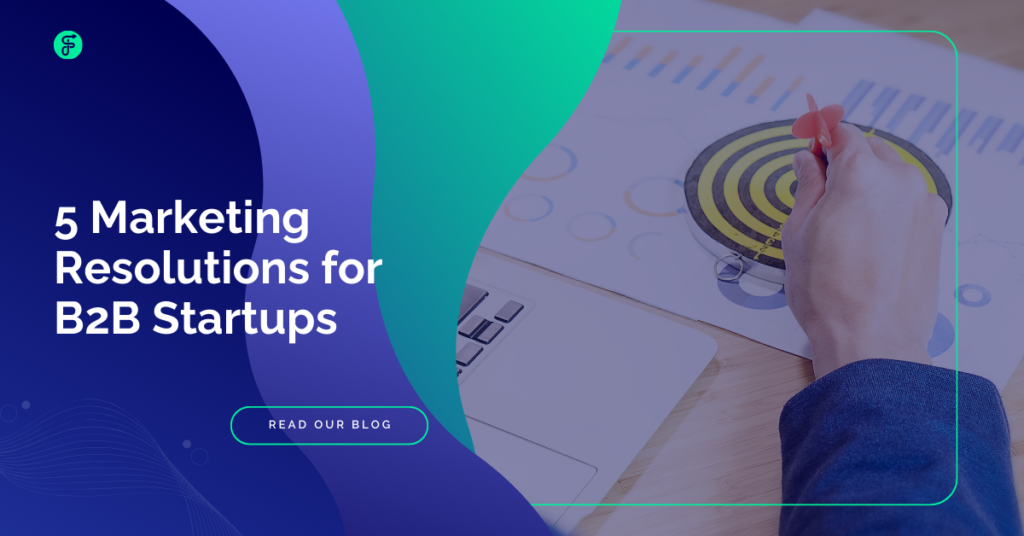
5 Marketing Resolutions for B2B Startups

5 Marketing Resolutions for B2B Startups Amy Perez December 26, 2024 B2B marketing, Marketing Strategy, Startup Marketing The B2B SaaS space is more crowded than ever, with approximately 9,000 SaaS companies in the U.S. alone. Standing out requires more than just mentioning “AI” or “intelligent solutions” in your messaging—it demands clarity, strategy, and authenticity. Whether you’re bootstrapping and on a limited budget or backed by a marketing team, these five marketing for B2B startup resolutions will help you differentiate, grow, and thrive. Prioritize Brand Clarity In a sea of sameness, clear messaging is your biggest advantage. Recently, I checked a list of the best 2024 startups (B2B and B2C), curious to see what they do and how they describe themselves. Out of the 30 I reviewed, only two used simple, human-sounding language to explain their value. One standout was Suno: make a song about anything. How simple, yet powerful! Your audience should immediately understand what you do and why they need you. Where to Start with Bringing Clarity to Your Brand? Conduct a Brand Audit Start by gathering all your key messaging materials in one place—your mission statement, vision, slogan, hero message, and sales collateral. Now, imagine your ideal customer reading through these. Would they immediately feel like your brand understands their struggles? Next, compare your messaging with your Ideal Customer Profile’s (ICP) needs and pain points. Does your current message speak directly to their challenges? For instance, if your SaaS product is designed to “automate workflows,” does your messaging clearly explain how that benefits them—like saving hours of work or reducing errors? Ask for Customer Feedback Talk to the people who know your product best—your customers. Schedule quick calls or send a short survey to gather insights. Ask questions like: “Which feature do you use the most, and why?” “How does our solution make your day-to-day easier?” “If you had to describe our product in one sentence, what would you say?” From these conversations, distill your message into one simple, impactful sentence. For example: “We simplify team workflows so you can focus on growth, not admin tasks.” This clarity helps your brand stand out and resonate with your audience instantly. When your message clicks with your audience, they’ll think, “Just what I need—let’s talk.” Embrace Data-Driven Marketing Not every channel or piece of content deserves your attention—some efforts work better than others, and that’s okay. The key is knowing where to focus so you can make the most of your time and resources. Where to Start with Data-Driven Marketing? Your Startup’s Own Marketing Data Take a look back at last year. Pull data from your social media, email campaigns, and website analytics to understand what worked and what didn’t. Which channels brought in the most traffic or engagement? What type of content—blogs, videos, or posts—resonated most with your audience? For example, if a blog post on industry trends drove a spike in website traffic, don’t let it sit idle. Repurpose it into a LinkedIn post or infographic to extend its reach and appeal to new audiences. Data-driven decisions save time, money, and energy. By focusing on what already works, you save time, money, and energy while doubling down on strategies that deliver results. Instead of spreading yourself thin, you’ll put your resources where they matter most. It’s about working smarter, not harder. Expand Content Marketing Efforts Content marketing continues to dominate as a highly effective way to engage and convert customers. According to Statista, 40% of companies plan to increase their B2B content marketing budget. Creating valuable content is like opening a conversation with your potential customers. It’s your chance to showcase your expertise and address the challenges they face every day. Where to Start with Content Marketing? Imagine your content marketing calendar for your B2B Startup as a well-planned menu for a year-long feast. Start by adding a variety of blogs, whitepapers, and case studies that tackle your customers’ pain points head-on. Blogs: Write about topics that answer common questions or provide solutions to problems your audience is trying to solve. For example, if your SaaS product improves team collaboration, a blog titled “5 Strategies to Boost Remote Team Productivity” could resonate well. Whitepapers and guides: Dive deeper into industry trends or complex topics. These longer pieces position you as a thought leader and offer real value that your audience can’t find elsewhere. Case studies: Share success stories highlighting how your product or service made a difference for a client. This not only builds credibility but also helps prospects envision similar results for themselves. Channel optimization: Now, think about where your audience spends their time. If you’re targeting B2B professionals, LinkedIn is likely their go-to platform during a coffee break or while commuting. By distributing your content there, you’re placing it right in their line of sight when they’re most receptive. High-quality content does more than inform—it builds trust. When you consistently provide insights and solutions, your audience starts seeing you as a reliable expert in your field. This trust becomes the foundation of your relationship, making them more likely to choose your product or service when they’re ready to make a decision. Remember, content marketing isn’t just about promoting your business; it’s about engaging with your audience in a meaningful way. Each piece of content is an opportunity to connect, help, and position your brand as the partner they need. Humanize Your Approach B2B startup marketing doesn’t mean boring. People connect with people, not jargon-filled brands. Humanizing your approach makes your company relatable and builds trust that leads to loyalty. How to Start Humanizing Your Brand? Think of your marketing as a behind-the-scenes look into what makes your company tick. Share team stories: Highlight the individuals contributing to your company’s success. Spotlight clients: Celebrate their wins and share their testimonials to build credibility. Solve challenges with stories: Use real-world examples to show how your product helps in plain, relatable language. Humanizing your brand transforms it from a product provider into a trusted partner. People trust and

5 Marketing Resolutions for B2B Startups Read More »

marketing strategy startup

Marketing Strategy for Bold Startup Founders and Fast Growth

Marketing Strategy for Bold Startup Founders and Fast Growth Amy Perez December 23, 2024 B2B marketing, Marketing Strategy, Startup Marketing You are the founder of a startup– seed, pre-seed, or probably going towards series A. You know your product is the best. You know the exact problem your startup solves. Also, you know your solution is unique, and you know exactly how to communicate it. However, sales are stagnant. While you’ve had great customers, relying solely on word of mouth is no longer viable. At this point, as a founder, you realize that your startup needs a marketing strategy. Yet, another realization comes to mind: the budget is tight. Why a Marketing Strategy Matters for Startup Founders The biggest challenge for founders with startups without marketing isn’t just visibility—it’s differentiation. Indeed, without a clear founder voice and marketing strategy, your startup risks blending into the crowd, even if you have a groundbreaking solution. In fact, if your startup has a strong value proposition—like solving a specific pain point—it’s time to amplify that message. Fortunately, you can do this even with a lean budget or as a one-person marketing team (we see you, a one-person marketing team 😉). Your Startup’s Marketing Strategy Blueprint for 2025 Start with a Brand Strategy As the founder, you know all the ins and outs of your business. Thus, that’s your superpower—use it. Your brand strategy is how you define your message and tone of voice (among other things) to connect with your audience. First, get clear on your message: The startup space, especially B2B in fintech or SaaS, can get wordy and technical. Therefore, as the founder, try to simplify your message, speak your audience’s language, and focus on the pain points you’re solving (this is your number one task in building your marketing strategy). Example: If your startup is in the fintech space, instead of saying, “Our AI optimizes financial workflows,” try, “We save your team hours by automating finance processes.” Remember, it’s not just about what you say but how you say it. This is what will set you apart in a crowded market. Choose the Right Channels As a Founder, we know your time is limited. Therefore, choose platforms where your audience already spends time: For B2B startups: Generally speaking, LinkedIn and Reddit are gold mines for founders. LinkedIn helps build authority, while Reddit lets you engage in niche discussions. Fun fact: According to a LinkedIn report on brand awareness, 75% of prospects say “thought leadership helps them determine which vendor to put on their shortlist.” For D2C startups: For example, focus on visual platforms like Instagram or TikTok, where you can create relatable, engaging content. Remember, you don’t need to be everywhere. Instead, if you’re handling marketing strategy solo (as the only founder of your startup), stick to two key channels and a website to start. Focus on Sharing Authentic Content (Get Tactical) Always remember that your business has a story, and your audience wants to hear it. Moreover, as the founder, you’re your startup’s best storyteller. Therefore, leverage this insider knowledge to create impactful content: Industry trends: Share your perspective on industry changes, and furthermore, show your audience how to adapt to or benefit from them. Product updates: New feature? Tell your audience how it solves their problems. Often, that missing feature is what kept past prospects from saying “yes.” Company milestones: Did you sign a major client? Celebrate it! After all, these wins show credibility and attract similar prospects. Have More Time and Resources? Elevate Your Startup Marketing Strategy! If you’re fortunate enough to have a bit more time or a small team to support you along these marketing strategy tips, then now is the moment to take your startup marketing to the next level: Expand your content calendar: Create a robust schedule that aligns with product launches, industry events, and seasonal trends. Indeed, consistency builds momentum. Dive into email marketing: Personalized email campaigns are a powerful tool for nurturing leads and staying connected with prospects. For example, start with a welcome series or product updates. Experiment with paid ads: Stretch a modest budget on platforms like LinkedIn, Google, or Facebook. Additionally, targeted campaigns can amplify your message and reach. Keep in mind that when you elevate your efforts, you build a stronger connection with your audience and position your startup for sustainable growth. Get Started With a Growth Audit for Your Startup Want an expert opinion on your marketing strategy? Fluentica is offering a limited number of complementary growth audits to help startups kick off 2025 with clarity and confidence. We’ll identify what’s working, what needs fine-tuning, and how to get the most out of your resources. As the founder, you have the vision and the knowledge to drive your startup forward. Moreover, your marketing strategy is how you bring that vision to life for your audience. Small, consistent actions—aligned with bold goals—will set the foundation for fast growth. Therefore, start now, build momentum, and make 2025 the year your startup takes center stage. Keeping it Fluent with this Quick Q&A Why is marketing important for startups? Marketing helps startups stand out, build trust, and connect with the right audience. Without it, even the best solutions can go unnoticed. How can I start marketing with a small or no budget? Focus on creating a strong brand message, choosing two key channels (like LinkedIn and Reddit for B2B), and sharing authentic, tactical content like industry insights, product updates, and milestones. What platforms should I use for my startup’s marketing? B2B startups: LinkedIn and Reddit are ideal for thought leadership and niche discussions. D2C startups: Instagram and TikTok work well for engaging, visual content. What kind of content resonates with audiences? Share content that highlights your expertise and value: Industry trends with your perspective Product updates that solve customer pain points Company milestones that build credibility What is Fluentica’s Growth Audit? It’s a complementary audit to help startups refine their marketing strategies for 2025. We analyze your efforts to

Marketing Strategy for Bold Startup Founders and Fast Growth Read More »

marketing small business

Marketing Moves to Boost Your Small Business in 90 Days

Marketing Moves to Boost Your Small Business in 90 Days Amy Perez December 23, 2024 Digital Marketing, SMB Marketing Making an impact on your small business in the first 90 days of the year doesn’t require massive budgets or a full marketing team—it takes focus, strategy, and actionable steps. Let’s dive right into how you can set the foundation for fast growth with marketing strategies that work. Why Digital Marketing is Important for Small Businesses In today’s world, digital marketing isn’t optional. It’s how customers discover businesses, compare options and make decisions. For small businesses, the opportunities are huge: Reach more people: Platforms like Google and social media put your business in front of the right audience. Cost-effective advertising: Digital marketing services for small businesses let you stretch your budget further than traditional advertising. Build credibility: A well-maintained website and active social media channels show customers you’re legitimate and trustworthy. The question isn’t about whether or not you should implement marketing for your business; it’s a question about when and how you will implement it. Organic marketing is the most effective way to market a small business Marketing isn’t just an option—it’s a must. It’s how small businesses connect with customers, stand out from competitors, and drive growth. But before diving into tactics, the foundation of any successful marketing strategy starts with clarity: Define your target audience: Who are your ideal customers? What problems are you solving for them? Craft your brand message: What makes your business unique? Your message should resonate with your audience’s pain points and offer clear solutions. Marketing without a plan is like driving without a map. The first step is to create one. Ready to Make an Impact? Your 90-Day Plan Grab a notebook or a Google Docs, and answer these key questions to start building your marketing plan: What’s Your Business Goal? Set a realistic goal. If last year’s sales totaled $50,000, plan for a percentage increase based on what’s achievable in 90 days. Be specific and realistic. Examples: Increase monthly sales by 10% by the end of the first quarter. Gain 50 new customers within the next three months. Grow email list sign-ups by 25% through a promotional campaign. What’s Your Marketing Objective? Focus on where your business needs the most attention. Some examples to help you assess your marketing objectives: If you’re starting out: Create a simple website and an Instagram profile to establish an online presence. If you’re established: Launch a campaign highlighting customer testimonials or new product features. If you have a brick-and-mortar store: Drive local traffic by optimizing your Google My Business profile. Who Are You Talking To? Define your target audience so that you can speak directly to their needs. For example: Female small business owners aged 25–40 looking for affordable tools to grow their businesses. Local professionals in your area who need your services but don’t know about you yet. Parents who want convenient solutions to make their daily routines easier. What Product Does Your Audience Need to Learn About? Decide what products or services to promote first. Think about what will grab attention and show off the value you offer. Highlight your best-selling item with a limited-time discount. Promote a new service with a “first-time customer” offer. Run a campaign showing how your product solves a common customer problem. What’s Your Message? Craft a message that connects with your audience’s pain points. Based on the example about defining your target audience, here are some messages: “Save time and energy with our [your product/service]—perfect for busy parents!” “Affordable marketing solutions tailored for small business growth.” “Local, reliable, and here for your needs—[Your Business Name] is your trusted partner.” What’s Your Budget? Figure out how much you can spend. If you’re tight on funds, start with a small time investment in organic content. You can use free tools such as Canva for content design and CapCut for video editing. Simple Tactics and Tips to Get Your Marketing Started Launch a Google My Business profile: If you have a physical location, this is non-negotiable. It boosts local SEO and helps customers find you. Build a simple website: Include a homepage, product/solution page, and contact form. Your message should guide the content and tell your story. Be sure to connect your site to Google Analytics, a simple and free way to know who’s visiting your site and how they interact with it. Create a social media calendar: Align posts with promotions, holidays, and key events. A consistent presence builds awareness and trust. Download this free social media calendar template, perfect for small business owners! Leverage customer feedback: Use testimonials and reviews in your marketing. What your customers say is more powerful than what you say. Join online communities: Participate in Facebook or LinkedIn groups in your industry and offer exclusive deals to members. Pro tip: Be patient. Digital marketing takes time. Stay consistent, refine your approach, and focus on building relationships with your audience. The first 90 days are your chance to build momentum for your small business. Set clear goals, connect with your audience, and focus on creating a strong online presence. Small, consistent actions lead to significant results. Start now, and watch your efforts transform your business! Keeping it Fluent with this Quick Q&A How much should a small business spend on marketing? A good starting point is 5-10% of your revenue. If that feels steep, prioritize low-cost digital marketing strategies to stretch your dollars. Why is digital marketing important for small businesses? It’s the most cost-effective way to reach your audience, build credibility, and stay competitive in today’s digital-first world. How do I create a marketing plan for my small business? Define your objectives, audience, message, and budget. Start simple with a website, social media channels, and a plan for consistent content. How do I conduct market research for my business? Start by listening—read customer reviews (yours and your competitors’), survey your audience, and observe social media discussions in your industry. Amy Perez From grassroots and housing

Marketing Moves to Boost Your Small Business in 90 Days Read More »

Scroll to Top