
B2B Lead Generation Isn’t Broken. You Have a Trust Problem. [Webinar]
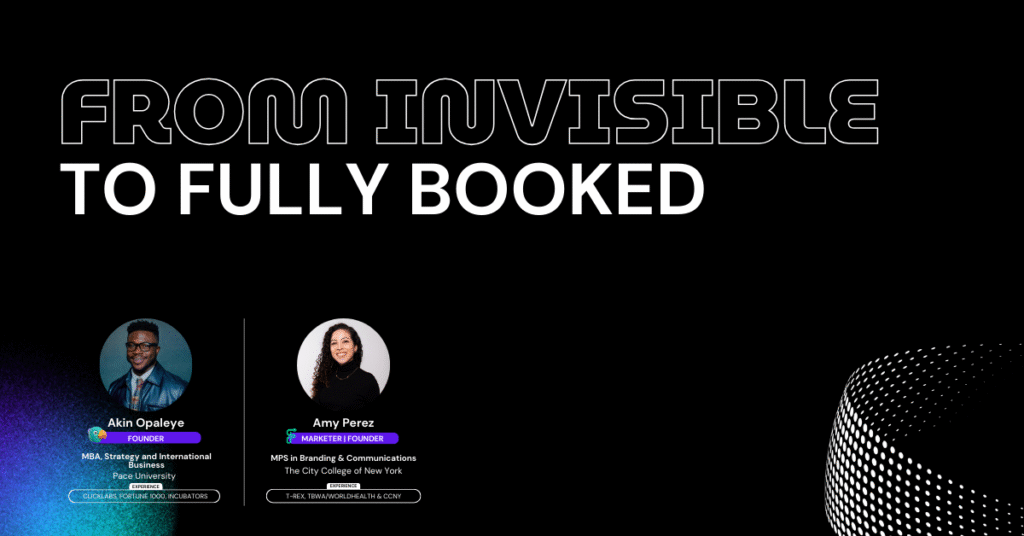
Ads Are Coming to OpenAI ChatGPT. Is Your Marketing Strategy Ready? – [Cloned #30412] March 17, 2026 Summary: Most B2B founders think they have a lead problem. In reality, what’s missing is trust. In this webinar, we broke down how inbound builds that trust, how outbound creates momentum, and why both need to work together to actually drive results. Alongside SalesParrot, Fluentica recently hosted a webinar with B2B founders and operators across the U.S. and beyond, with attendees joining from cities like NYC, Atlanta, and San Francisco, as well as countries including Colombia, Argentina, Canada, and Estonia. And interestingly, regardless of location or industry, the same question kept coming up: Why does it feel like I have a lead problem? Every founder gets to this point. Pipeline feels slow. Outreach isn’t converting. Website traffic might be there, but nothing is happening. So the assumption becomes: we need more leads. But here’s the shift we talked about in the webinar: You don’t have a lead problem. You have a trust problem. And that’s actually good news. Because leads depend on a lot of variables. Trust is something you can build. What Actually Happens Before Someone Replies to You Let’s say someone receives your LinkedIn message or cold email. What do they do? They don’t reply right away. They look you up. They check your website. Your LinkedIn. Your content. Your brand. They’re trying to answer one question: Can I trust this? And the data backs this up: B2B buyers spend only 17% of their time talking to potential vendors 57 to 70% of research happens before they ever speak to sales 81% of buyers say trust is the deciding factor So by the time someone even considers replying, they’ve already formed an opinion about you. Not based on your outreach, but based on what they found after it. Inbound Doesn’t Create Demand. It Removes Doubt. This is where most strategies go off track. Inbound is often treated as the engine for lead generation. But that’s not how it works in B2B. Inbound doesn’t create demand; it removes doubt. Outbound creates motion. Inbound removes friction. That’s the relationship. If outbound is reaching out but inbound isn’t reinforcing trust, the system breaks. You get activity, but no conversion. The 3 Signals That Actually Build Trust in B2B Marketing Instead of thinking in terms of channels, think in terms of signals. There are three that consistently show up across high-performing B2B brands: 1. Clarity If someone lands on your website, can they immediately understand: Who you serve What problem you solve Why it matters People form an opinion about your website in milliseconds. If your message is vague or overly broad, you lose them before anything else happens. 2. Credibility At some point, your audience is asking: Have you actually done this before? This is where most brands fall short. Case studies, results, real examples, and even how you frame your work matter more than listing features. Buyers are looking for proof they can relate to. 3. Consistency This is the one that gets dropped the fastest. Not because teams don’t care, but because they expect results too quickly. B2B cycles take time. Trust compounds. Consistency means: Showing up across channels with the same message Aligning your website, LinkedIn, and outreach Giving your strategy enough time to work Without consistency, even good strategies fail. How This Comes Together to Pave the Way for Outbound We worked with CodePath on their Emerging Engineers Summit. They already had: A known brand, ongoing campaigns, and content in place. But performance was declining. The issue wasn’t visibility. It was trust and clarity. When someone landed on the page, the focus was on the event itself, not the problem it solved. Messaging leaned heavily on logistics instead of outcomes. So we shifted three things: Defined the audience more precisely Reframed the message around precision in hiring Restructured content to highlight proof and relevance In other words: Instead of leading with the event name, we led with the value. Instead of features, we focused on pain points. Instead of adding more content, we aligned what already existed. When Trust Is Clear, Everything Moves Faster Once the foundation was in place, results followed: Higher open rates across outreach Stronger engagement without incentives Improved click-through rates A 70% decrease in campaign budget with better performance Not because we pushed harder, but because the friction was removed. When someone received a message, they already knew what they were looking at, and that’s what trust does. Outbound Still Matters, But It Has to Evolve SalesParrot’s founder, Akin, clearly said: Most outbound fails before it even starts. Not because outreach doesn’t work, but because people recognize patterns instantly. There’s something we discussed called the “science of association.” When someone reads: “I noticed your profile…” (the typical way LinkedIn messages start), their brain already categorizes it as outreach. And not in a good way. Even if the message is relevant, it’s filtered out. So outbound today isn’t just about personalization; it’s about breaking patterns. And more importantly, it’s about timing. If your inbound presence has already built familiarity, outbound doesn’t feel cold anymore; it feels contextual. What This Means for B2B Startup Founders Right Now If you’re a B2B founder, this is where to focus: Don’t separate inbound and outbound Don’t expect inbound to generate immediate leads Don’t rely on outbound without backing it up Instead, build the system: Outbound creates motion Inbound removes doubt Trust creates momentum And momentum is what fills your pipeline. If You Want to Go Deeper We covered this in more detail during the webinar, including examples, messaging shifts, and how to align both strategies in practice. You can watch the full session here. Content and SEO go hand-in-hand. Are your looking for support? Explore our service Related Posts B2B marketing Brand Strategy Content Strategy Digital Marketing Marketing Strategy News SEO Strategy SMB Marketing Ads Are Coming to OpenAI ChatGPT. Is Your Marketing Strategy Ready? Read More What Metrics to
B2B Lead Generation Isn’t Broken. You Have a Trust Problem. [Webinar] Read More »