
Ads Are Coming to OpenAI ChatGPT. Is Your Marketing Strategy Ready?
Summary:
OpenAI is testing ads in ChatGPT, and while they won’t disrupt your marketing strategy overnight, this signals a shift in how people search and how brands get discovered.
Yet Another Platform with Ads
Let’s be honest. Every time a new platform rolls out ads, marketers feel it in their budget. And now, OpenAI has joined the club.
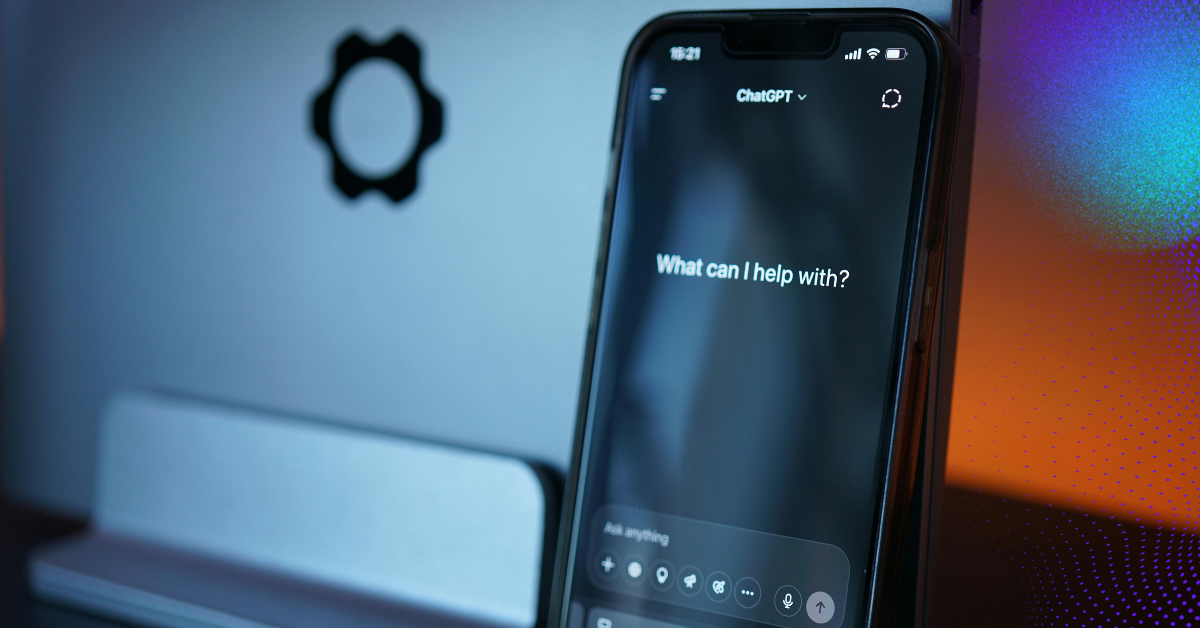
Ads are being tested in ChatGPT and will appear to free and Go-tier users ($8/month). For now, they’re placed below the chatbot’s response in a distinct section. So if someone asks ChatGPT for, say, “the best project management tools for agencies,” they’ll still get an AI-generated answer. But now, they might also see a sponsored link to a platform like Monday.com or ClickUp, for example.
This isn’t just a new ad format; it’s a signal. More people are using AI tools like ChatGPT to get product recommendations, research brands, and make decisions. In fact, ChatGPT has over 5 billion visits per month. And where there’s attention, advertising follows.
What’s OpenAI’s Approach to Advertising?
There isn’t a ton of information about this yet, but here’s what we know so far, based on their latest statement on their approach to advertising:
- Privacy First: Conversations used to show ads are not shared with advertisers.
- No Sensitive Topics: Ads won’t appear in chats about health, politics, or mental health.
- User Choice: Users will have control over their personalization settings.
- Transparency: Sponsored content is labeled and appears after the assistant’s response, not baked into it (for now).
This all sounds safe. But we’ve seen how these things evolve. It’s not hard to imagine ads eventually getting integrated more directly into chatbot replies. That’s what happened with Google, and what marketers should anticipate here, too.
OpenAI says this is “testing,” but if engagement and ad performance are promising, we think it won’t stay a test for long.
What This Means for B2B and SMB Marketers
Whether you’re a startup founder or a marketing lead at a small business, you’ve probably asked yourself: Do I really need to worry about yet another ad platform right now?
Short answer: not today. But long-term? Yes.
This moment isn’t about jumping into OpenAI ads. It’s about shoring up your visibility across channels you can control because:
- AI overviews and summaries are eating up organic space on Google.
- Search behavior is changing. People ask LLMs before they Google.
- Brand discoverability is fragmenting across even more surfaces.
If you’ve been delaying SEO, or your organic visibility relies only on one channel (like LinkedIn), this is your sign to diversify.
Free (or Affordable) Channels Worth Prioritizing Right Now
Before you chase the next shiny ad feature, make sure you’ve got these covered:
- Website SEO: Structure your content around themes, not just blogs. Connect related pages. Add schema. Target specific queries your audience actually types.
- Google Business Profile: Still gold for service providers and B2Bs with any local relevance.
- Social Media: Use it to show expertise, share wins, or explain how you solve real problems. Consistency > virality.
- Email: Most underutilized tool in early-stage businesses. Start your list, segment by audience, and send value-based updates.
- Strategic Partnerships: Guest posts, cross-promotions, community-driven growth—these still drive results.
If budget allows, pair organic with retargeting ads. But don’t rely on paid alone.
Why Future-Proof Visibility Matters
Let’s say your ICP types “best CRM for growing SaaS teams” into ChatGPT. If the chatbot pulls from existing brand mentions, blog content, or product pages and your brand never shows up, you’ve lost that opportunity without even knowing it. LLMs summarize the web. So your content, keywords, and metadata all need to work together to give you visibility on Google and on ChatGPT.
At Fluentica, we’re seeing success with clients who embrace a multi-channel strategy early. It’s not about showing up everywhere. It’s about showing up when it matters.
We’re not saying go all-in on OpenAI ads. But we are saying: don’t let this moment pass without rethinking your discoverability. Because when ads become fully integrated into LLM answers, and they will, you don’t want to be the brand scrambling to catch up.
Content and SEO go hand-in-hand. Are your looking for support?
Related Posts
- B2B marketing
- Brand Strategy
- Content Strategy
- Digital Marketing
- Marketing Strategy
- News
- SEO Strategy
- SMB Marketing